
Wayang Bali
Traditional Balinese Shadow Theater
Who knows when Time began; when Earth, Wind, and Fire trembled and quaked into being?
Wayang Bali, the Balinese Shadow Play, is one of the world's most revered traditional art forms.
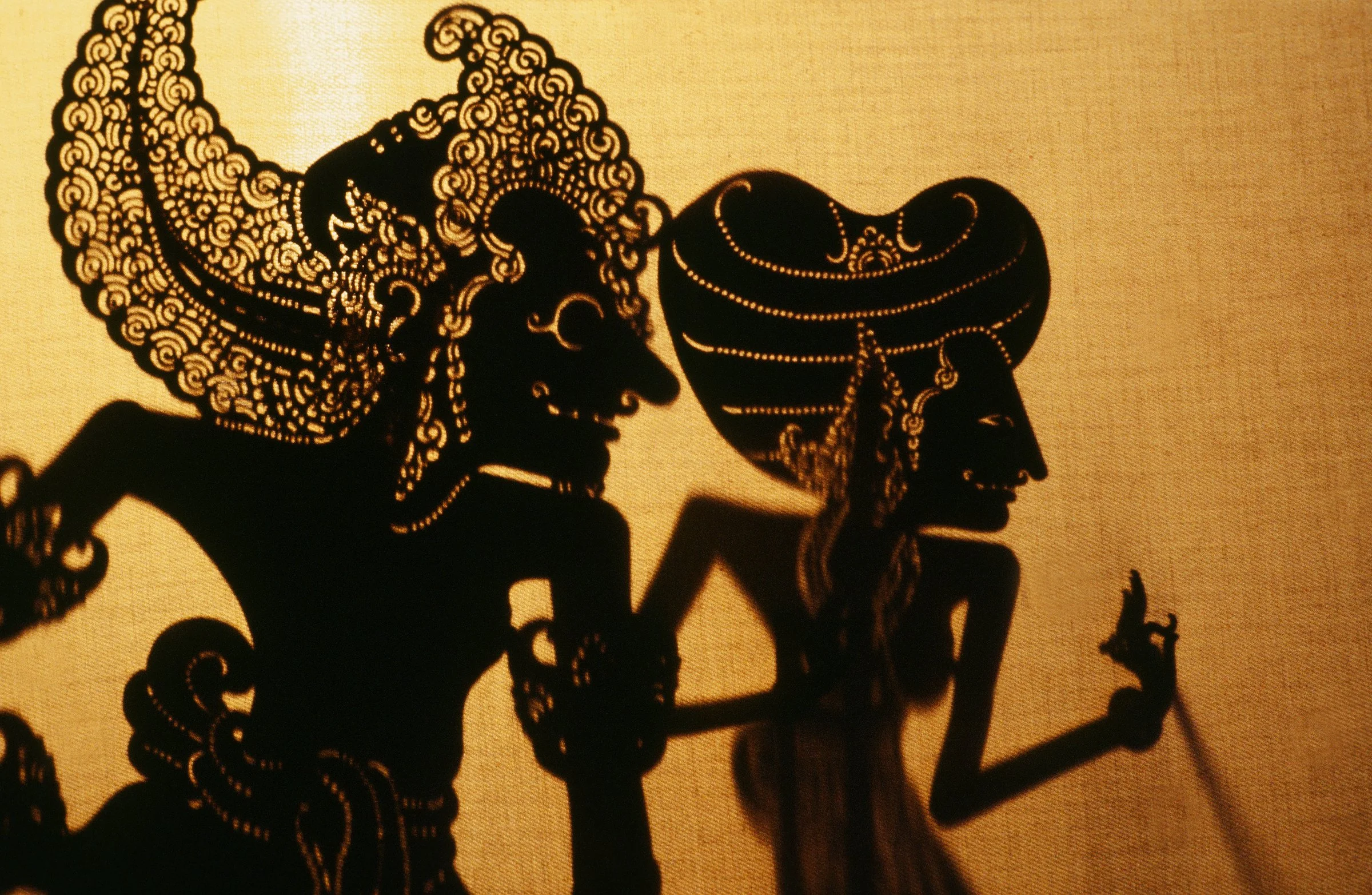
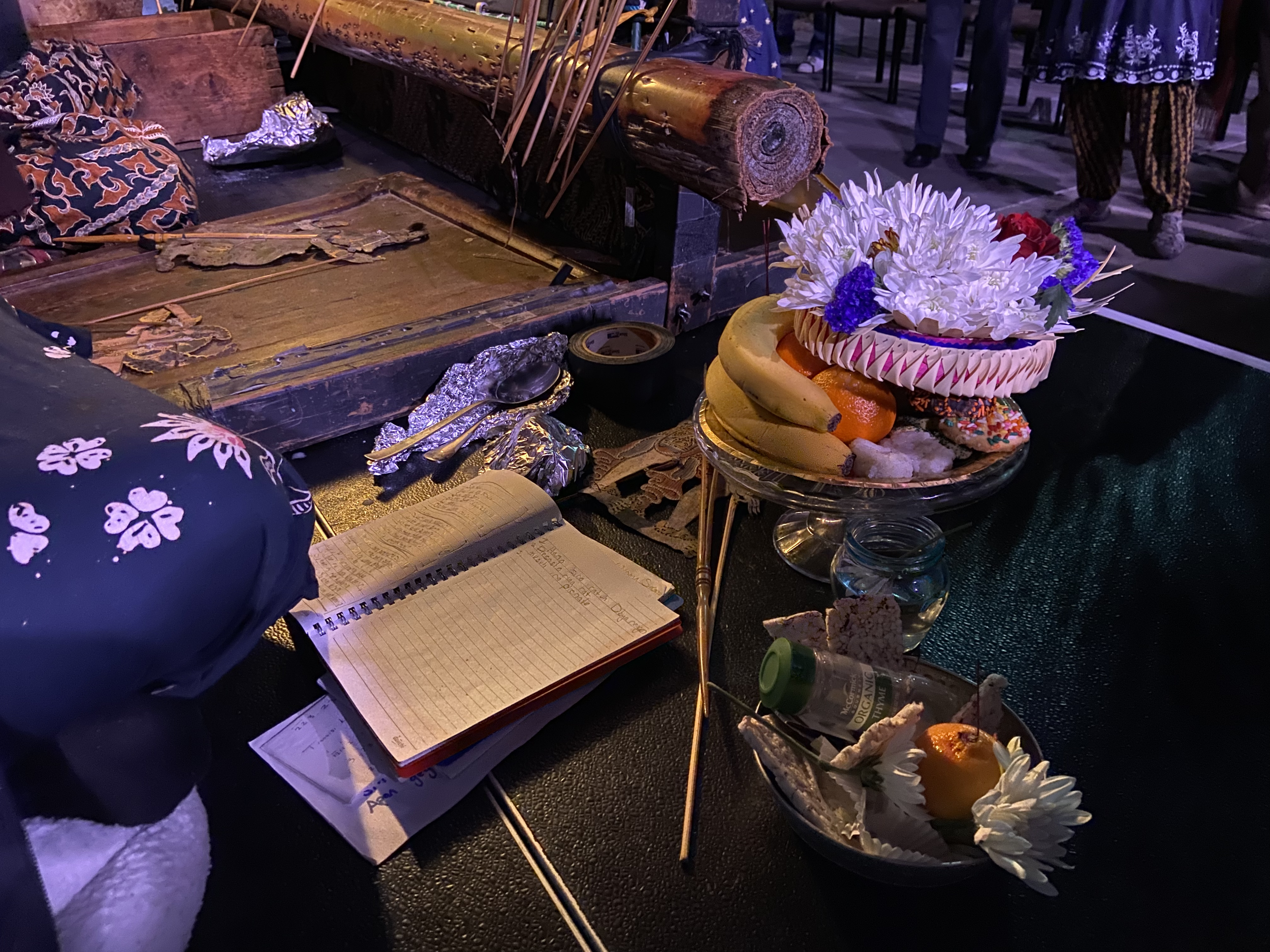
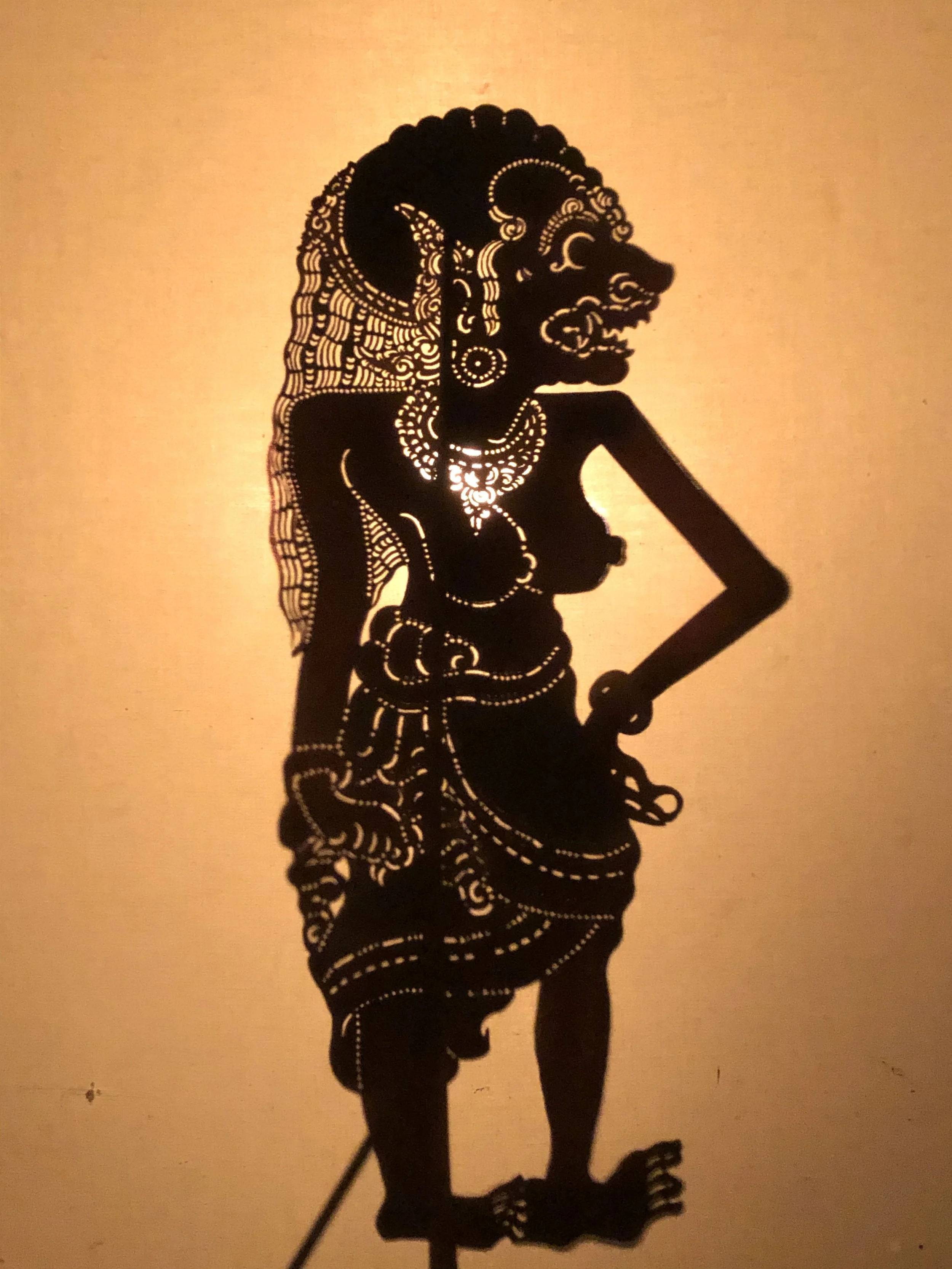
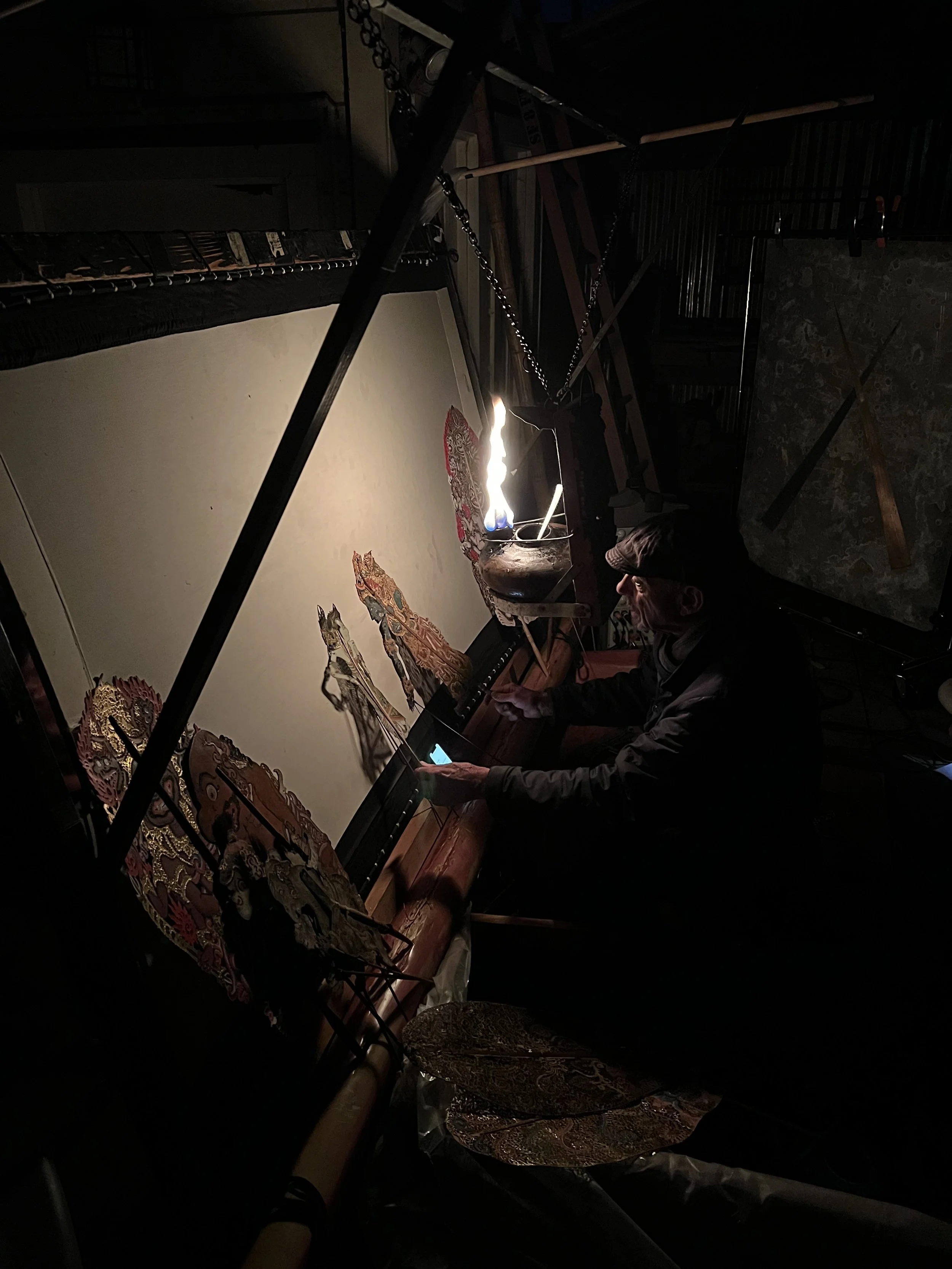
According to Balinese philosophy, a wayang performance is a symbol of the cosmos. The dalang (Shadow Master) represents God; the screen represents the world, including the atmosphere; the damar (oil lamp) is the sun; the banana log underneath the screen is the earth on which the creatures walk; and the wayangs (puppet characters) are the creatures. The accompanying gender music represents irama djaman, which means in phase with the periods of history.
Plots for the shadow play are drawn from the Mahabharata myth cycle. Five brothers are pitted against one hundred jealous cousins in a struggle for power involving gods, demons, magical weapons, and the inevitable beautiful princess.
Wayang Bali takes place in two languages simultaneously: the ancient language and the audience's language. Larry Reed can perform wayang in English, French, Spanish, German, and Indonesian, making it possible for the Western audience to appreciate the ancient art form.
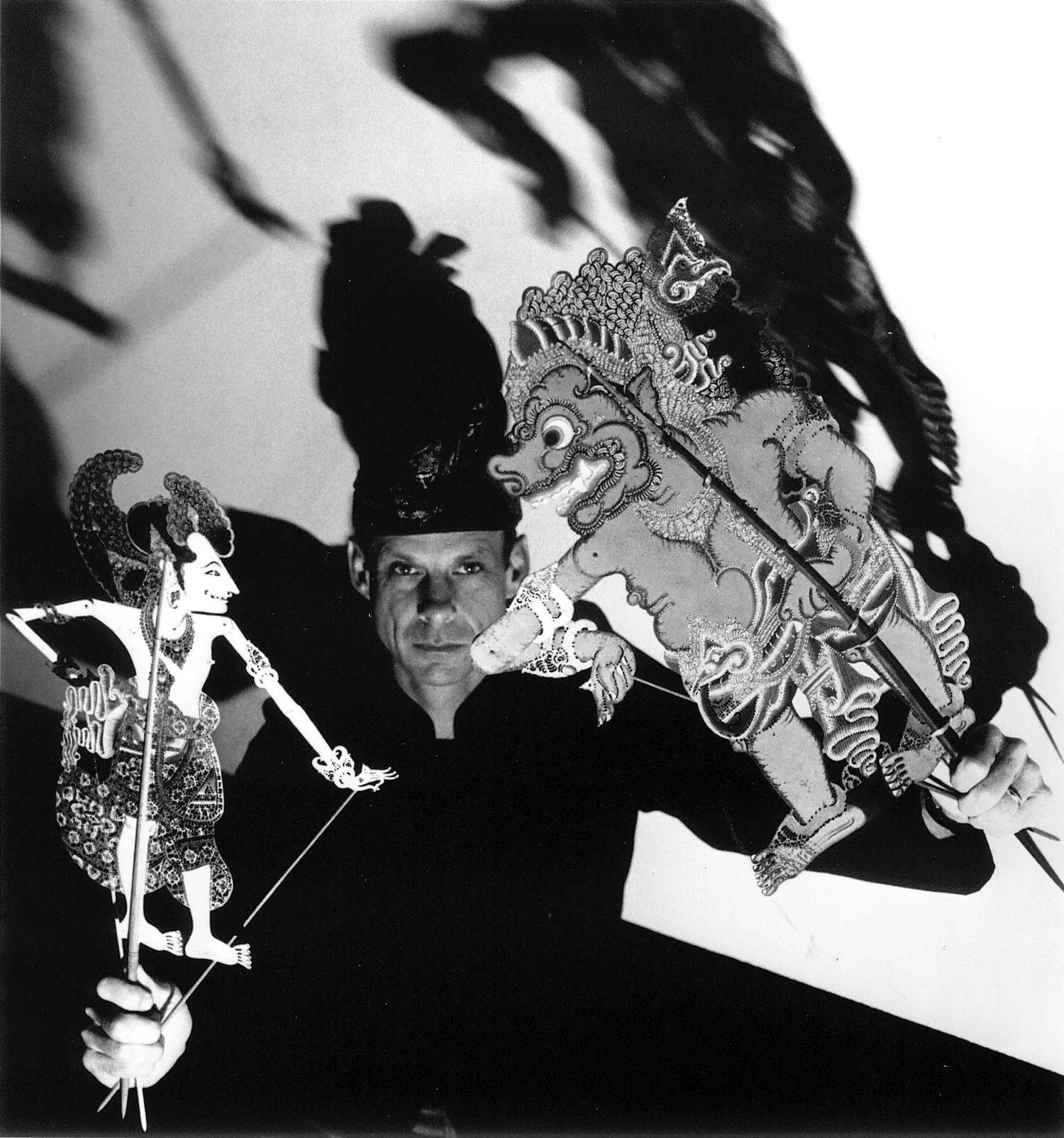
Dalang (Shadow Master)
Larry Reed is a nationally and internationally acclaimed theatre artist, and is a trailblazer in the contemporary shadow theatre field. In 1972, he founded ShadowLight Productions to nurture indigenous shadow theater traditions and to explore and expand the possibilities of the shadow theatre medium. He is one of the first Westerners to have trained in the traditional Balinese shadow theatre (wayang kulit) and is a “dalang,” or “shadow master,” who manipulates over 20 carved leather shadow puppets while simultaneously serving as the conductor of the accompanying gamelan orchestra, the director, and the stage manager. Over the years, he has performed over 250 shows in this tradition around the world.
Gamelan Ensemble
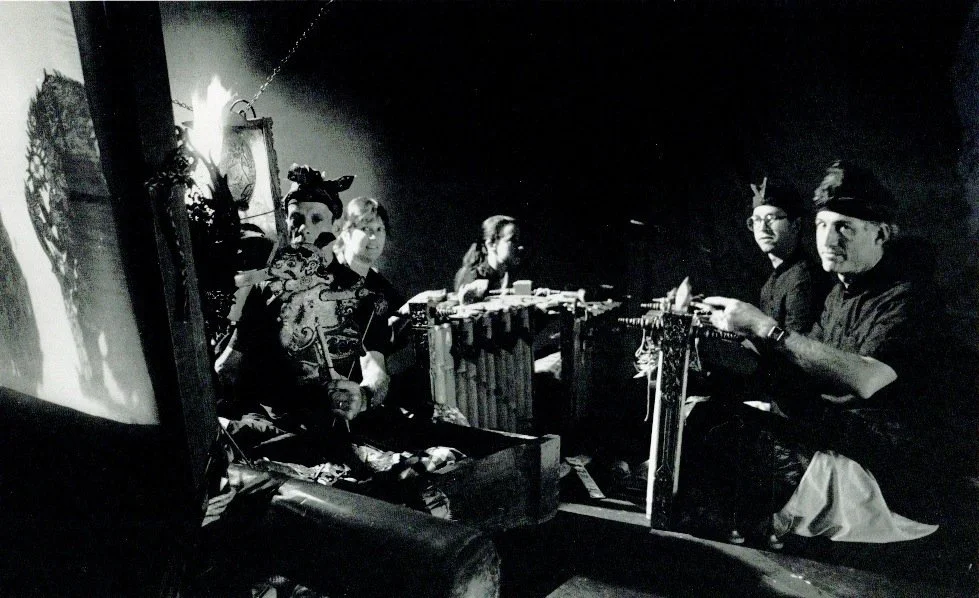
Carla Fabrizio began her study of Indonesian music at Mills College under the direction of Lou Harrison and K.R.T. Wasitodipuro. On a Fulbright scholarship, she studied rebab (Balinese spike fiddle) with I Madé Lemping, the leader of one of the foremost gambuh dance drama troupes in Bali. Since then, her primary musical interest has been performing and teaching Balinese music (with Gamelan Sekar Jaya since 1983, ShadowLight since 1990, and Gadung Kasturi since 1997). She has acted as music coordinator in several collaborative contemporary projects, including ShadowLight’s A (Balinese) Tempest, Clubfoot Orchestra’s and Gamelan Sekar Jaya’s Legong: Dance of the Virgins, and The Residents’ Wormwood: Curious Stories from the Bible.
Lisa Gold, Ph.D. (1998 UC Berkeley) has been a member of ShadowLight since 1983 (when it was called Shadow Play Theater Co.). She lectures at UC Berkeley and has research interests in Balinese and Javanese music in ritual & theater, wayang and gender wayang, oral performance and improvisation, sound studies, music, place and spatial orientation, transmission, performance eco-systems, and folklore and folk music of the British Isles. A member of Gamelan Sari Raras, Sekar Jaya, and ShadowLight Productions, she is the author of the book Music in Bali: Experiencing Music, Expressing Culture (2005), the “Bali” article in the New Grove Dictionary of Music and Musicians, and a chapter in Performing Arts in Postmodern Bali – Changing Interpretations, Founding Traditions (2013), and an article in the Smithsonian Performing Indonesia online publication.
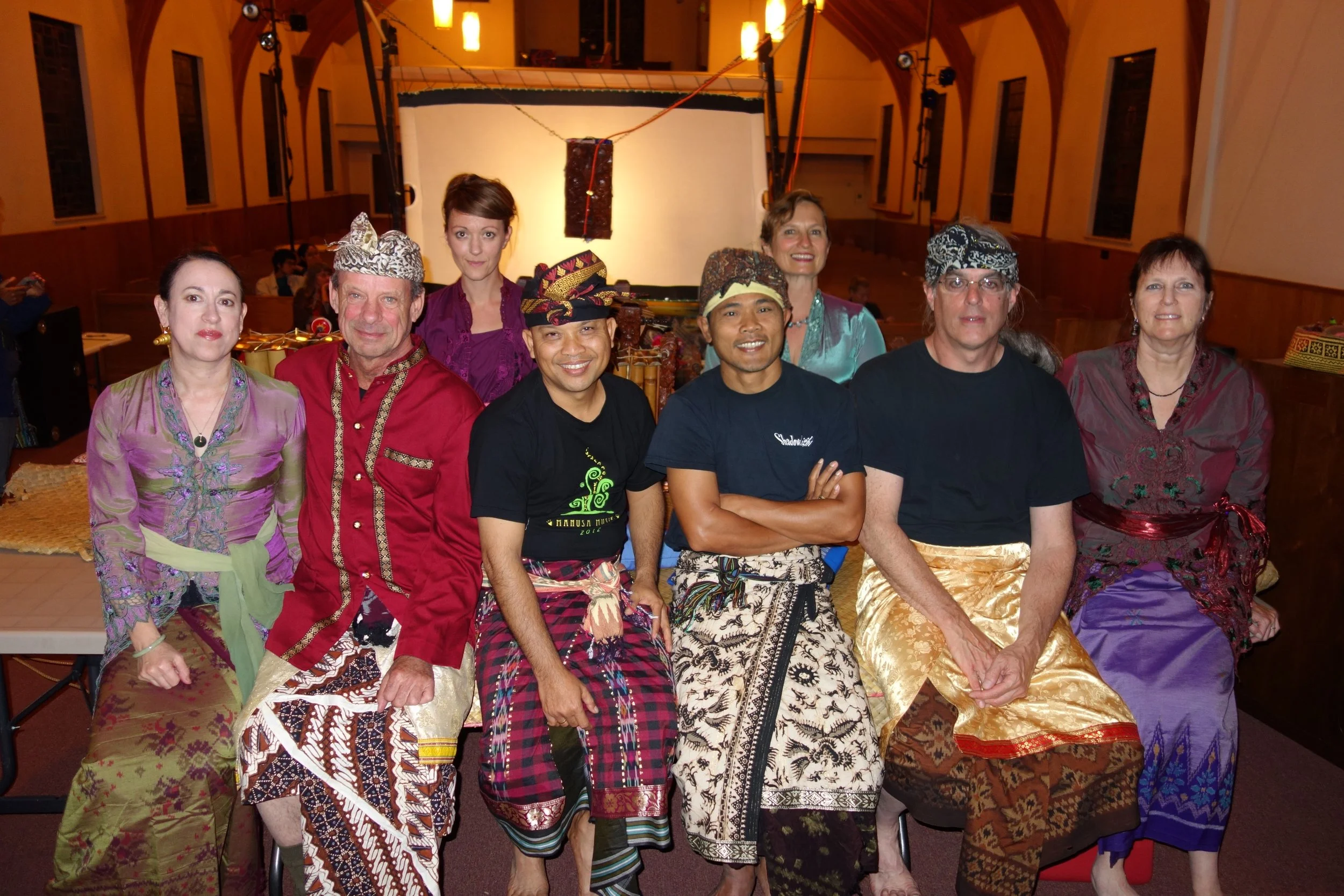
(left to right) Photo of Lisa Gold, Larry Reed, Sarah Willner, Carla Fabrizio, I Made Moja, Paul Miller & Emily Rolph (2014)
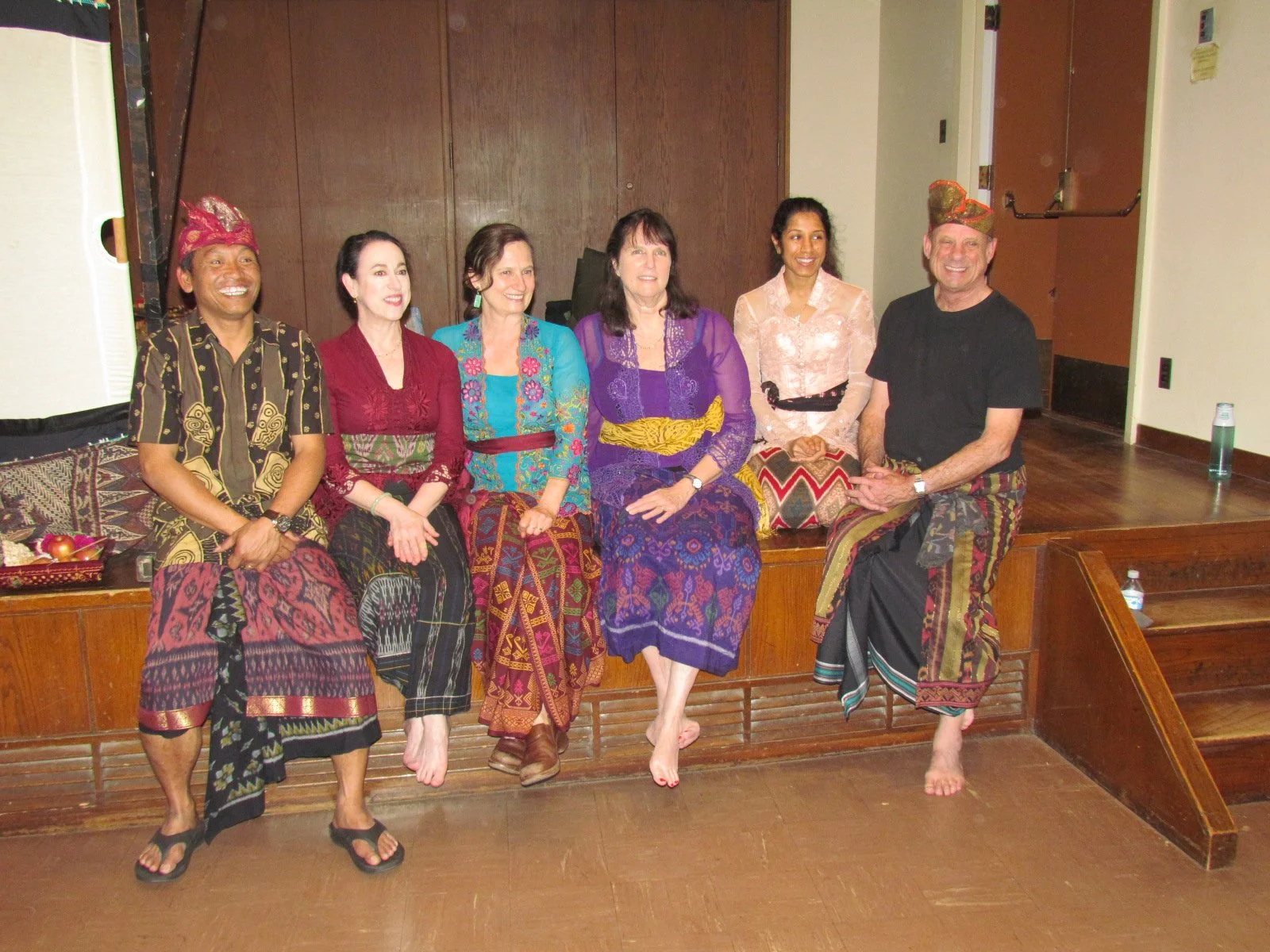
(Left to Right) Photo of Dewa Berata, Carla Fabrizio, Sarah Willner, Lisa Gold, Monali Varaiya, & Larry Reed (2017)
Paul Miller was introduced to gamelan at Mills College and has since spent several years in Indonesia, learning Balinese gamelan with the late Wayan Loceng and other master musicians. He is a member of the SF Bay Area gamelan groups Gadung Kasturi, Sari Raras, Gamelan Sekar Jaya, and ShadowLight Productions. He specializes in Balinese Gender Wayang music, and several of his students have gone on to study with masters in Bali. Paul collaborates with his wife, singer songwriter Lisa Graciano, by composing and arranging gamelan instrument parts in her songs and performing in her gamelan-infused group Purnamasari. Website: http://www.lisagraciano.com/purnamasari.html
Sarah Willner has studied and performed the music of Bali since 1988, with Bay area's Gamelan Sekar Jaya in the U.S. and with many teachers in Bali, including I Wayan Loceng, I Wayan Konolon, I Made Subandi, I Wayan Wija, and I Nenggah Marta, legendary specialists in gender wayang (music of shadow theater). She has performed with and managed ShadowLight Productions’ large-scale shadow theater works (In Xanadu, Sidha Karya, Kawit Legong, and Ambrosia of Immortality) at numerous venues, including twice at the Jim Henson International Puppetry Festival at the Public Theater in NYC and the Spoleto Festival, UCB’s Zellerbach Hall, UCLA’s Royce Theater, and many other venues in the US. Currently a member of the Lightbulb Ensemble, she has performed recently with the JACK string quartet at the Smithsonian, Disney Hall, and other venues. As a violist and violinist, she prefers to play the wild and wonderful music of local composers and friends.
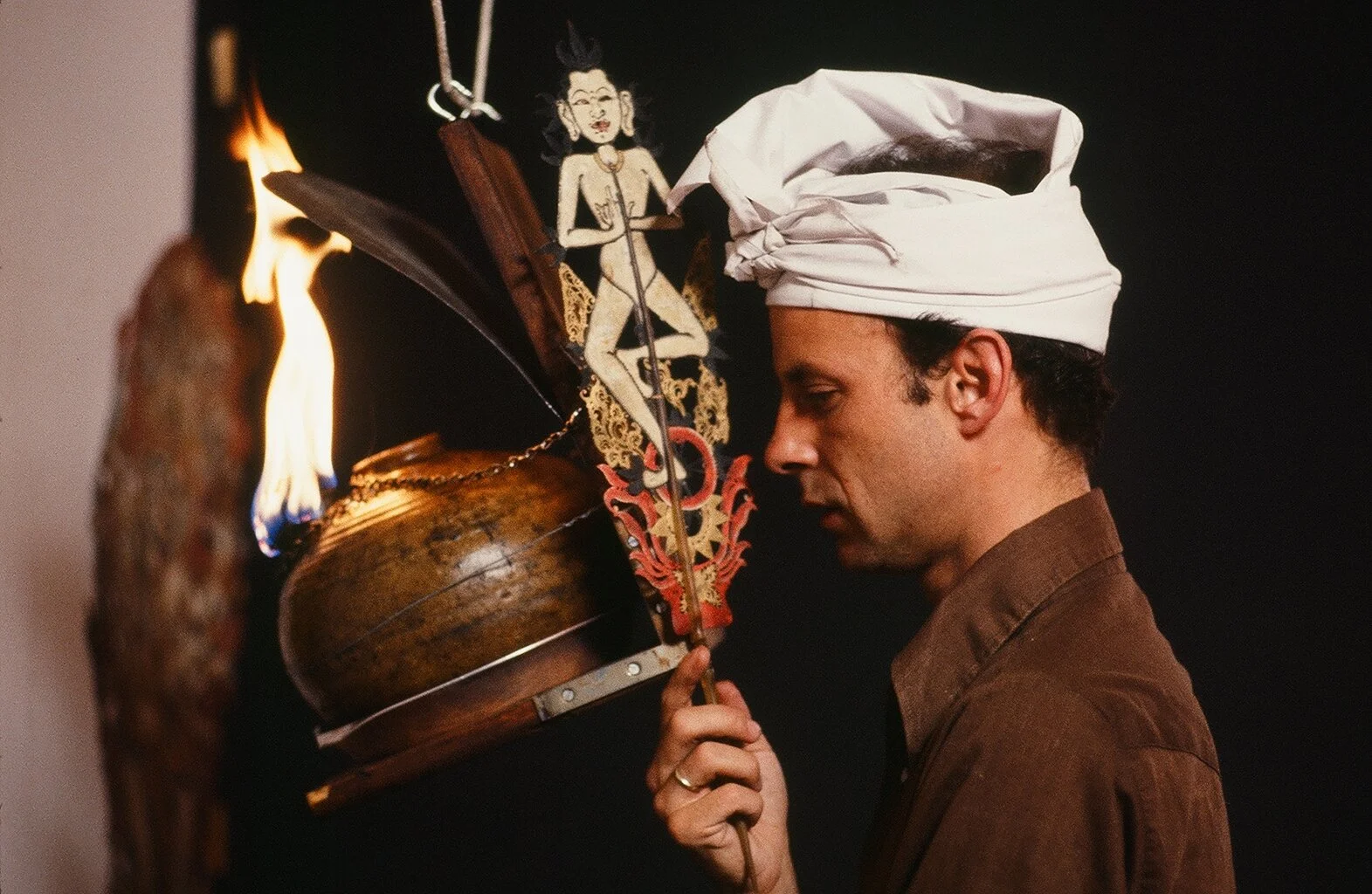
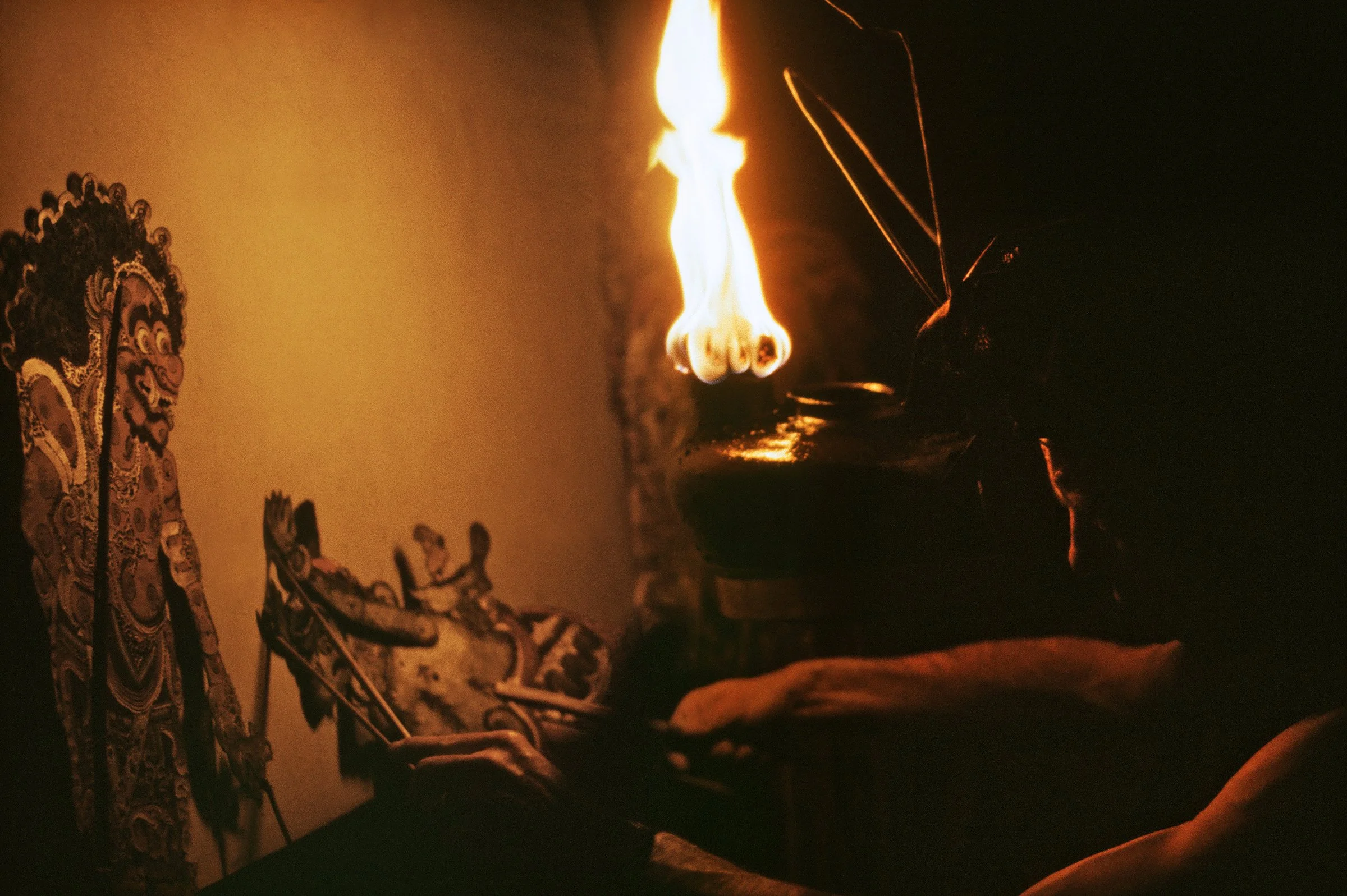
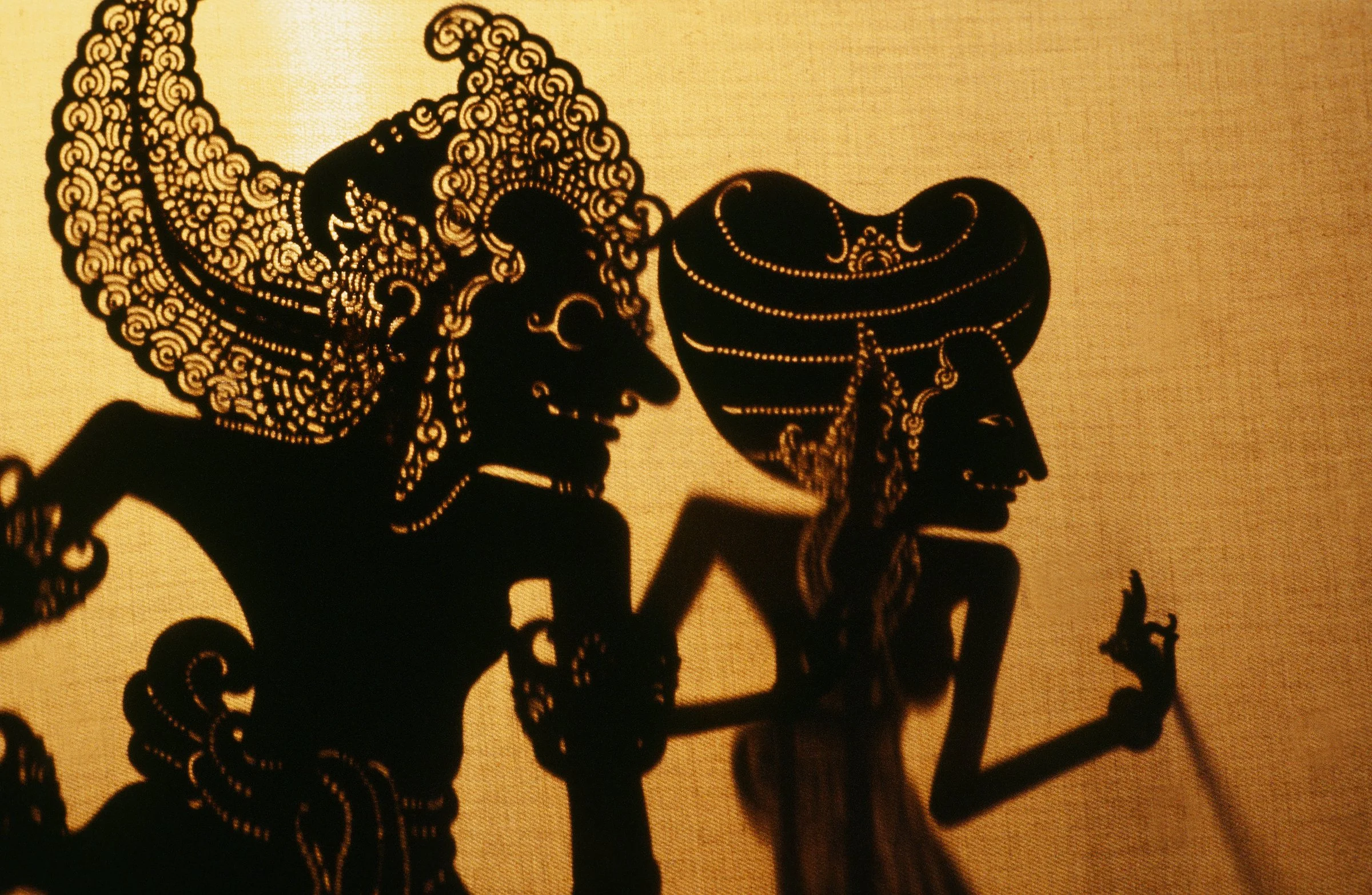
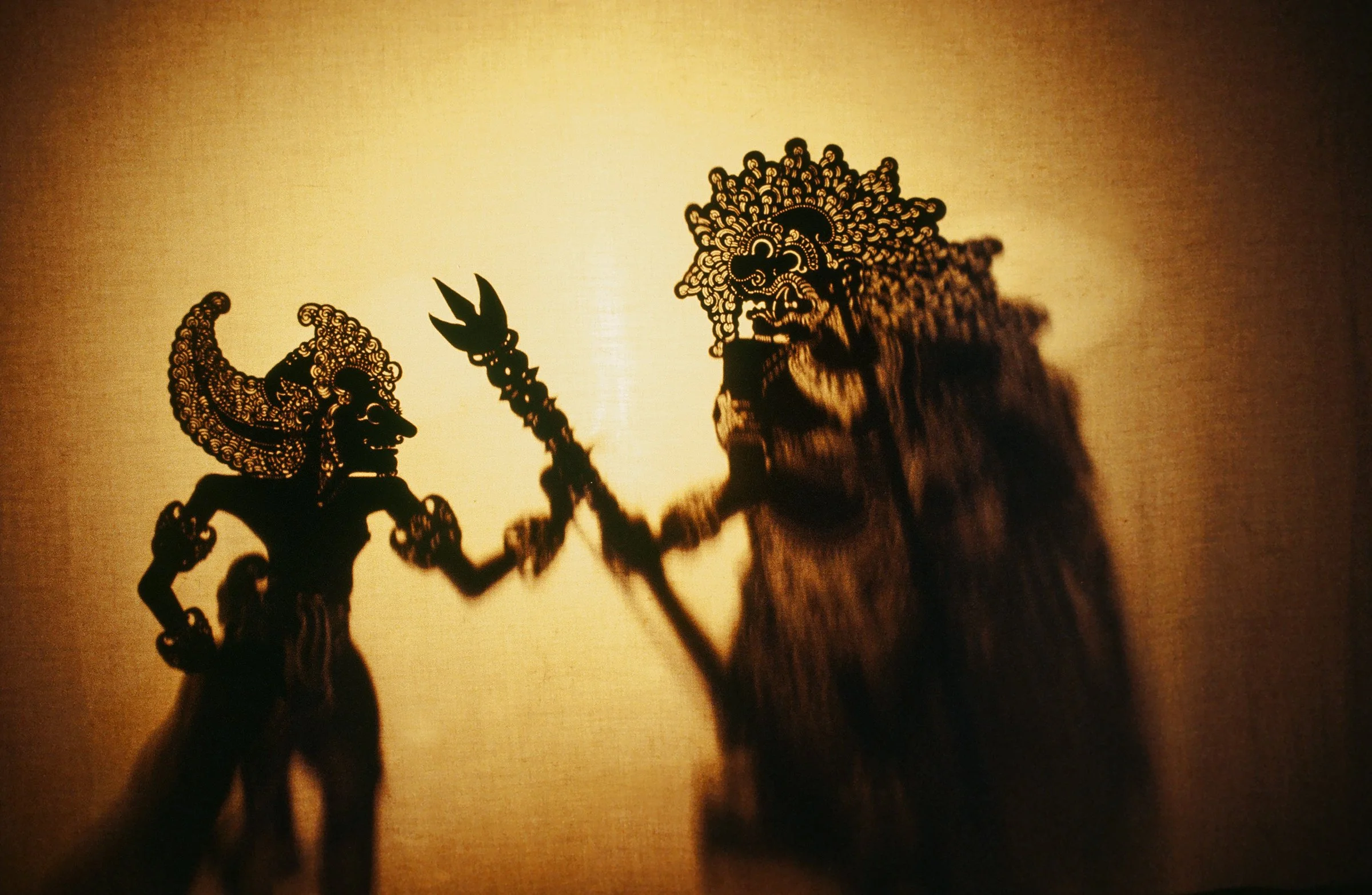
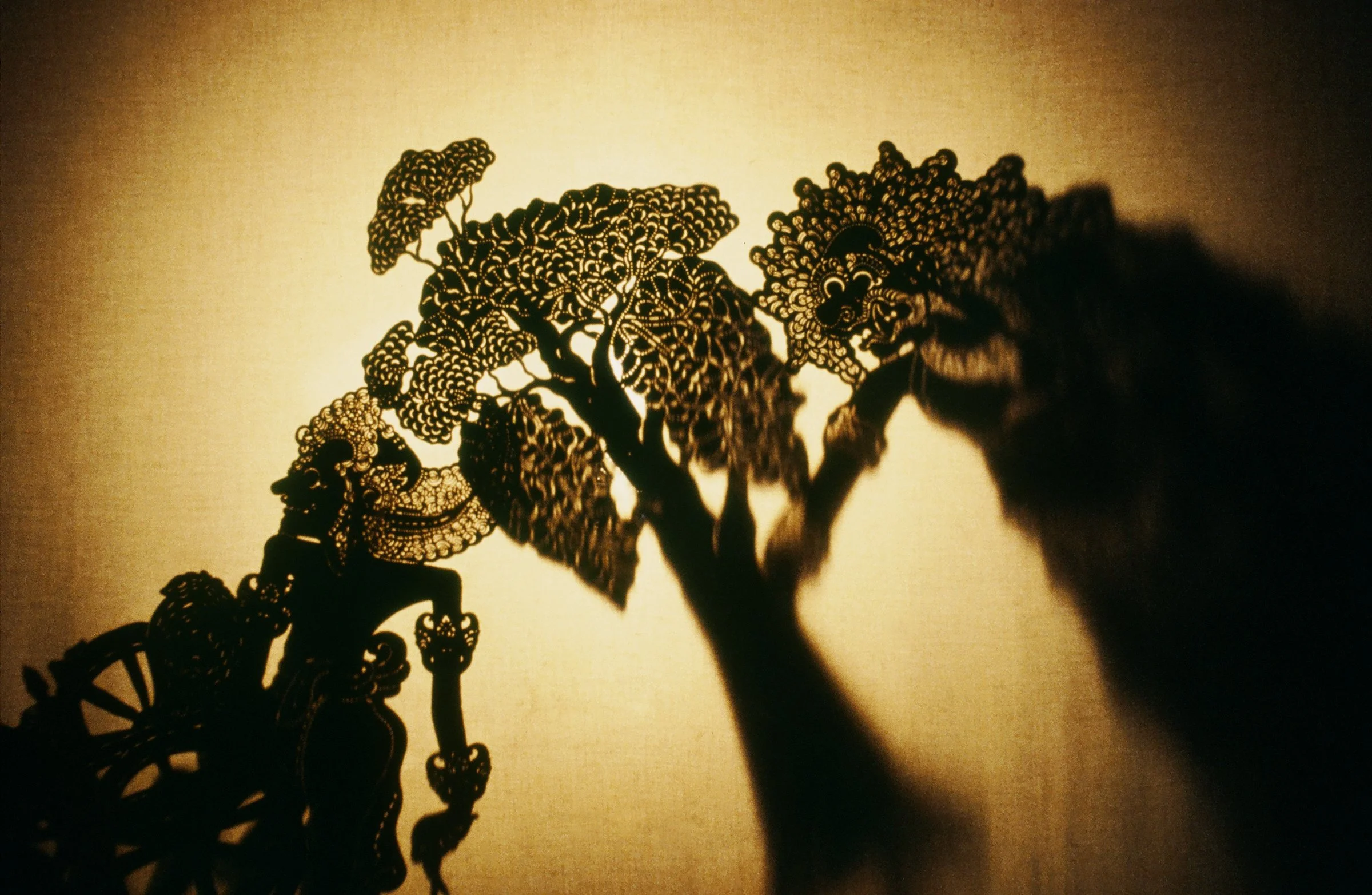
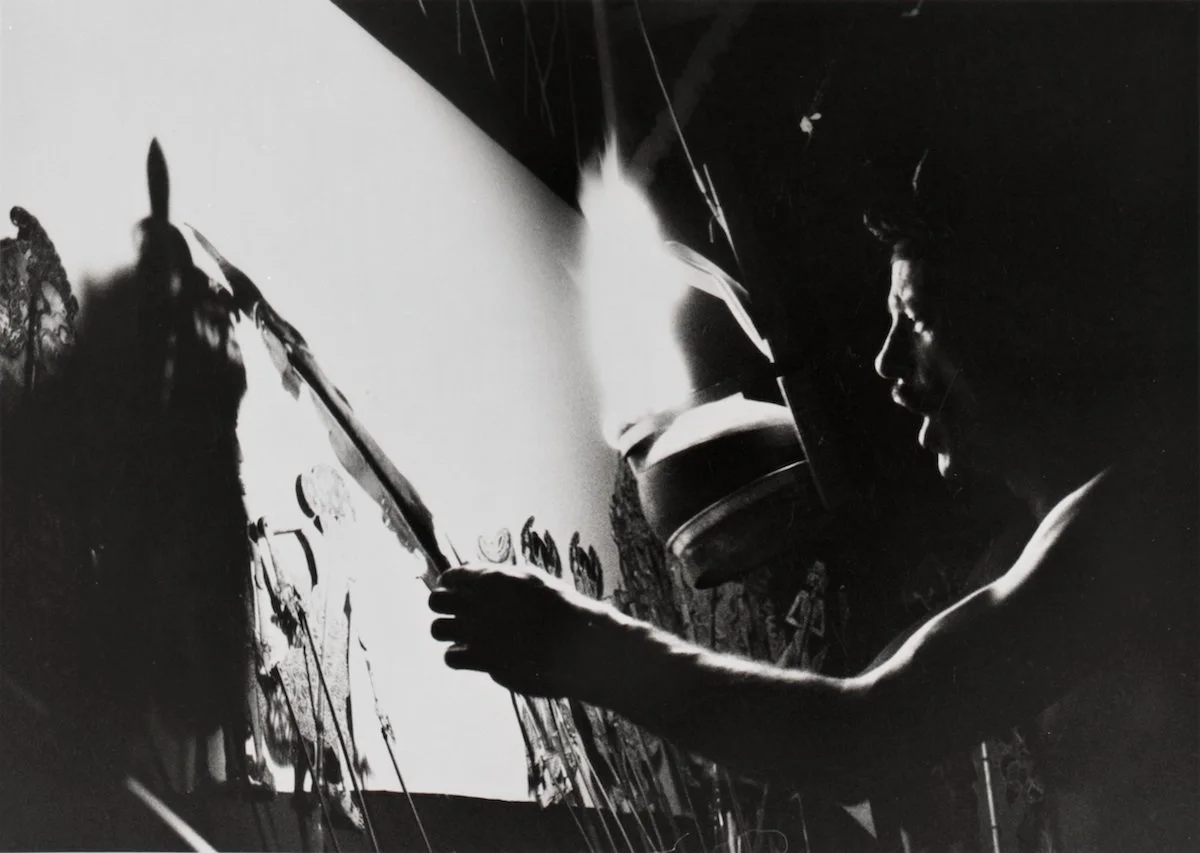
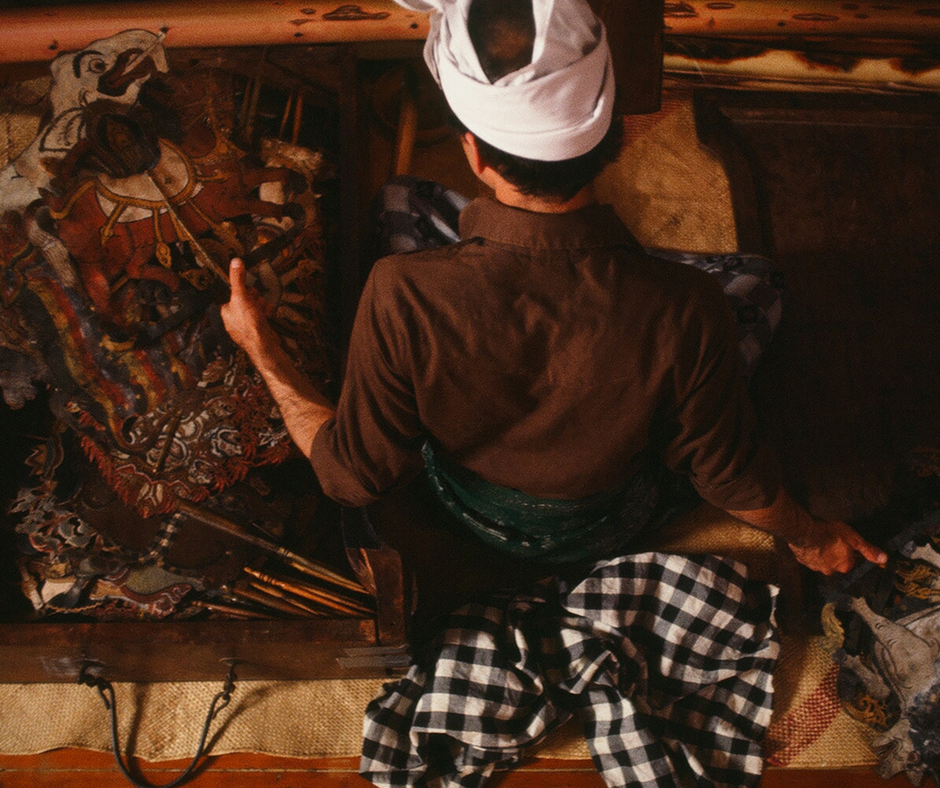
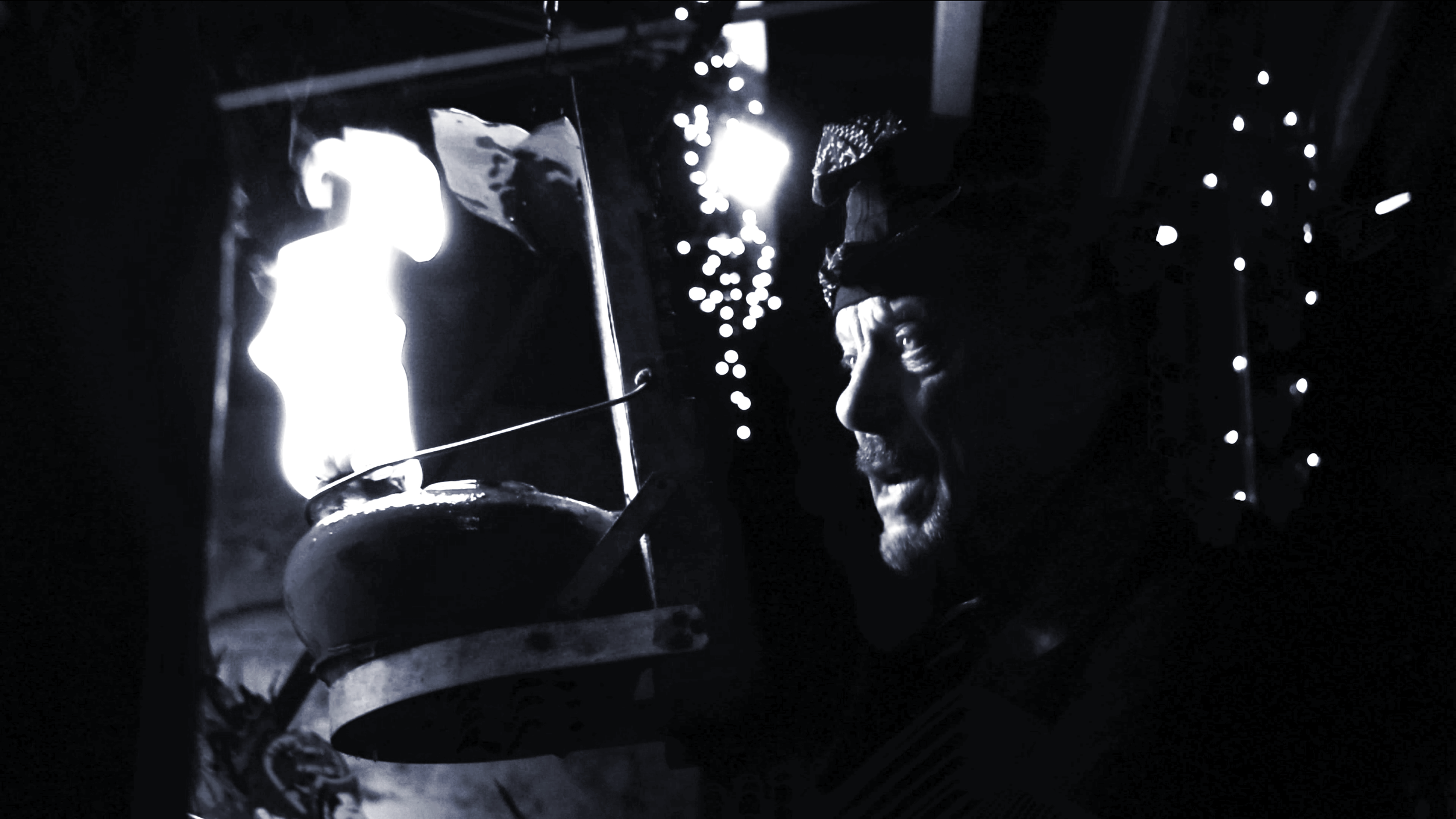
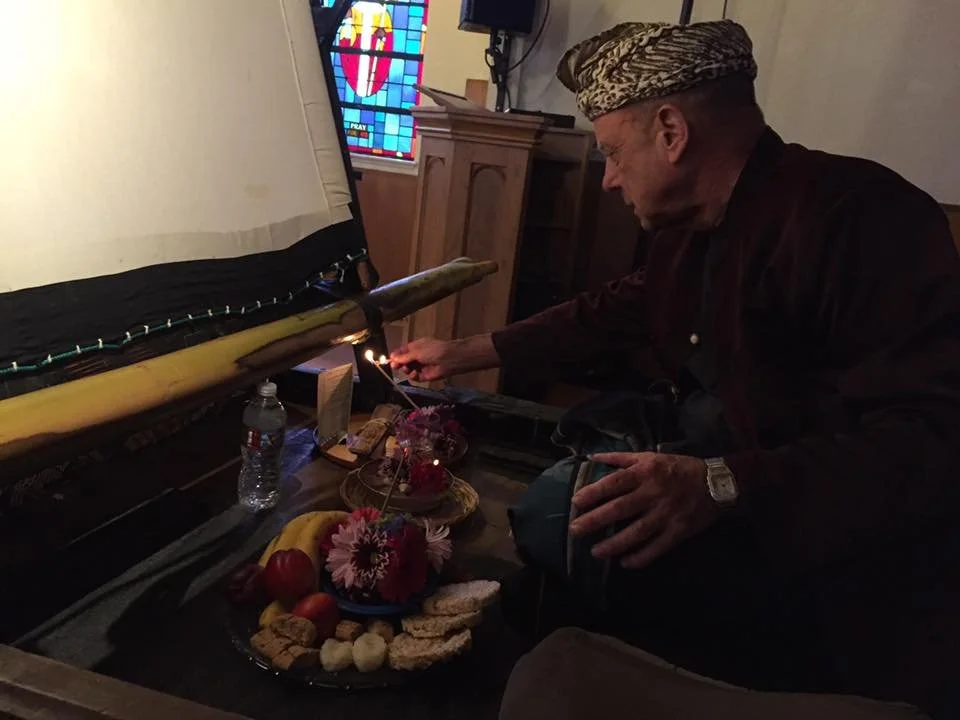
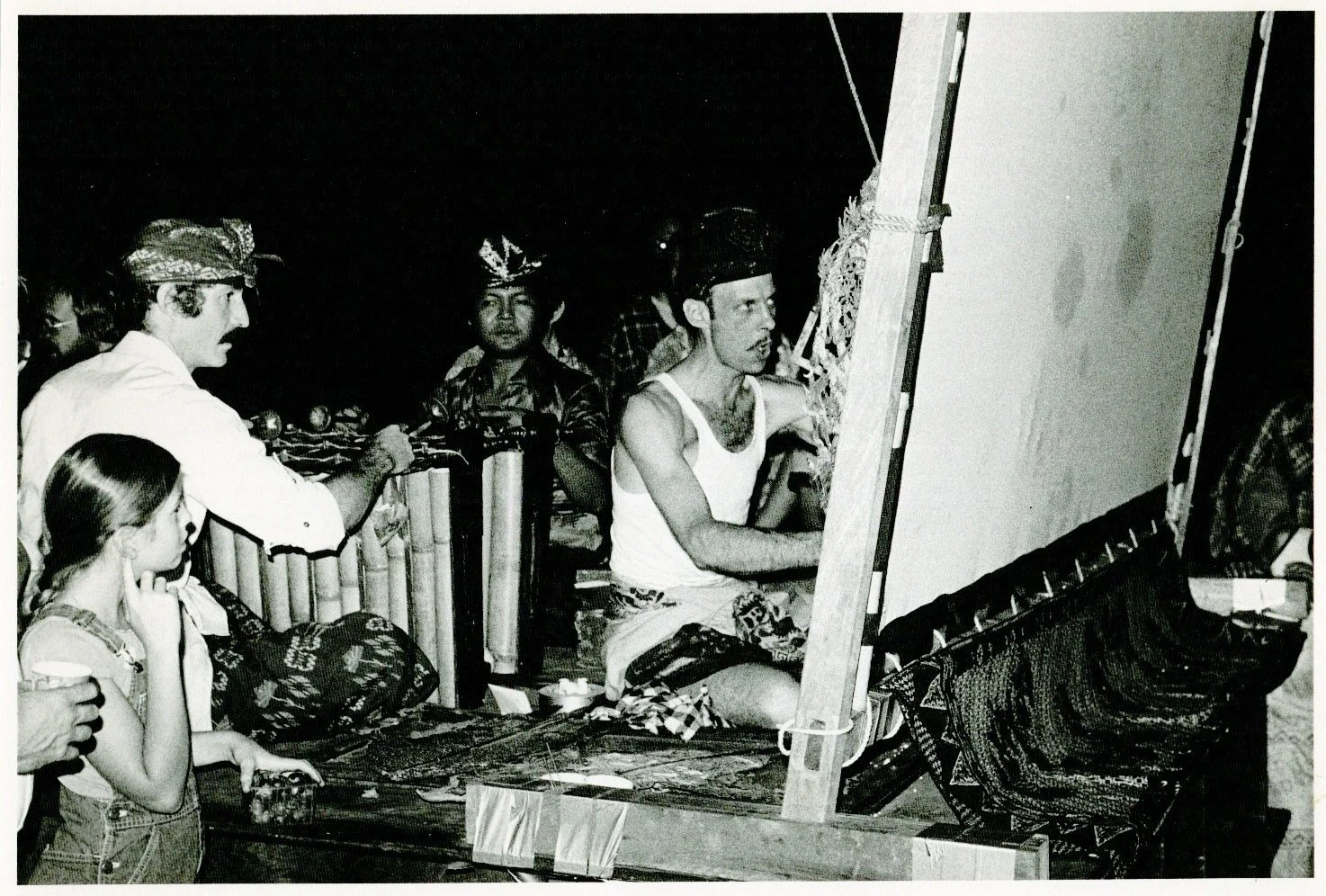
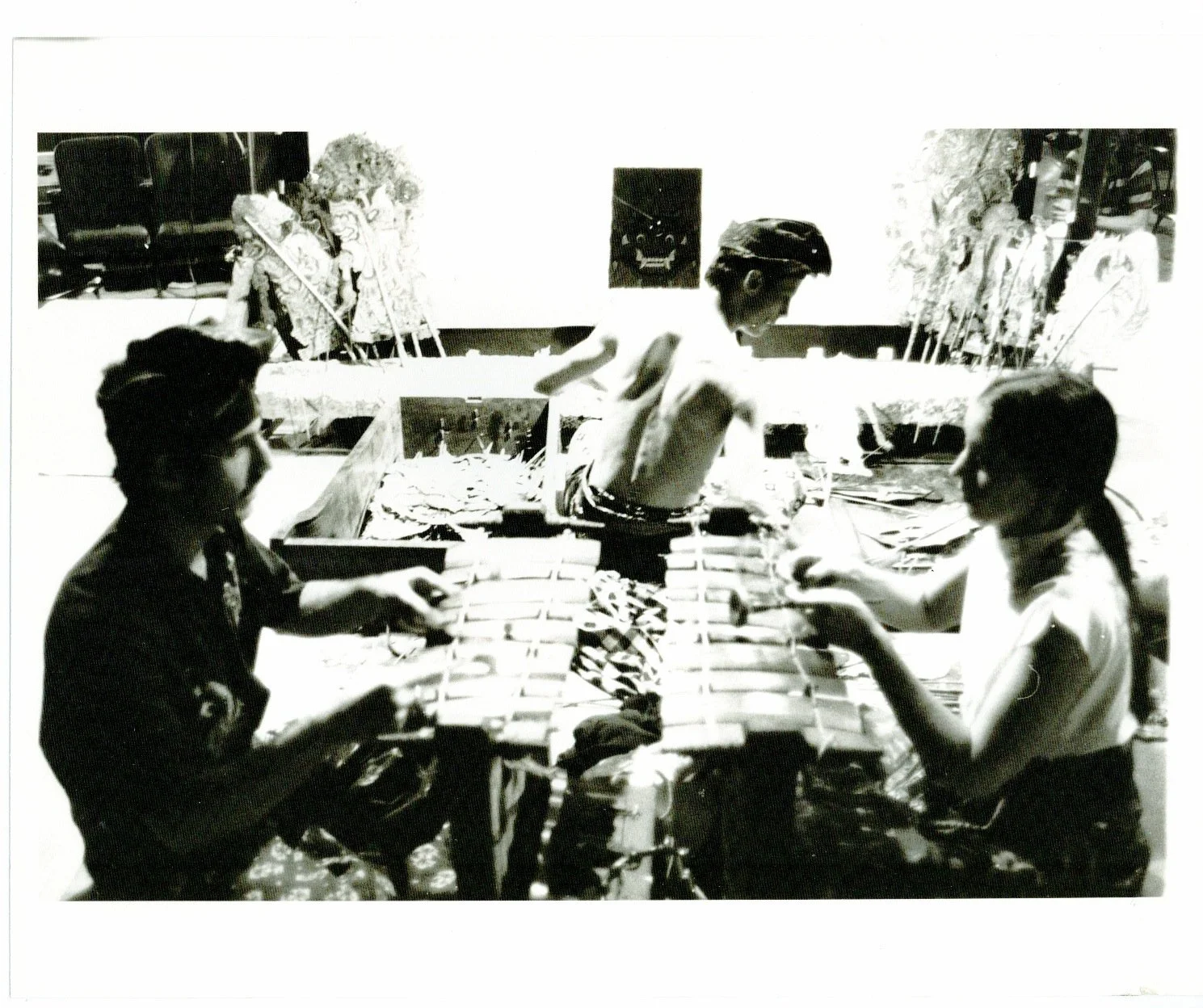
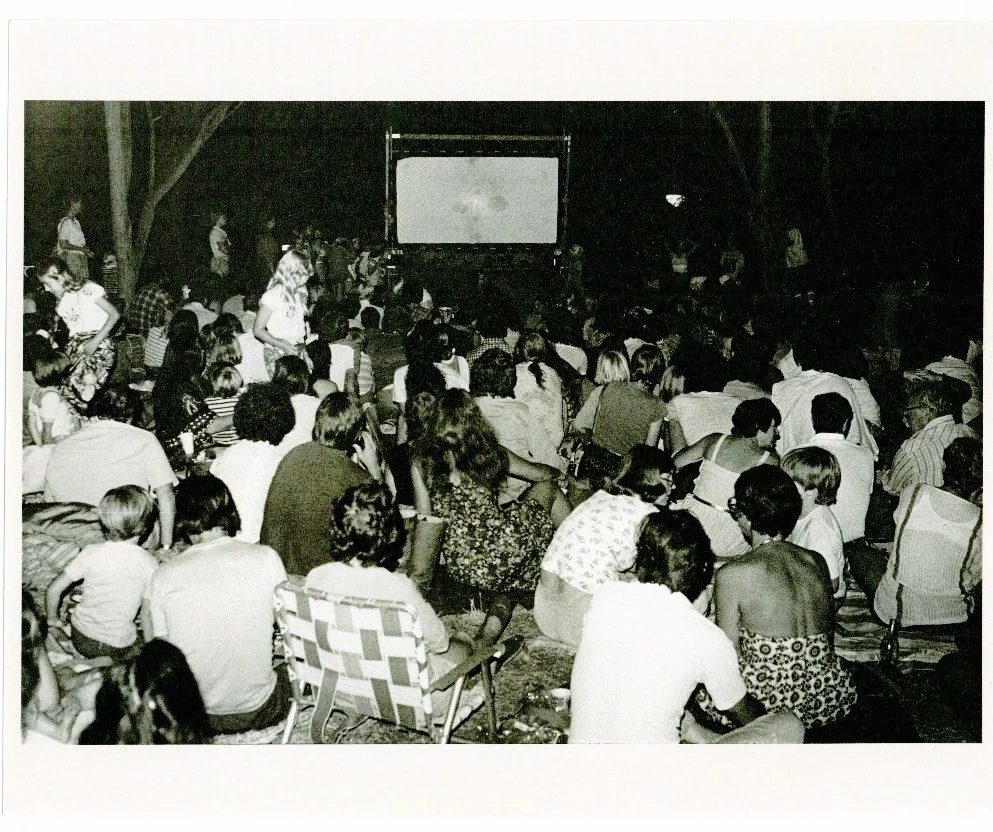
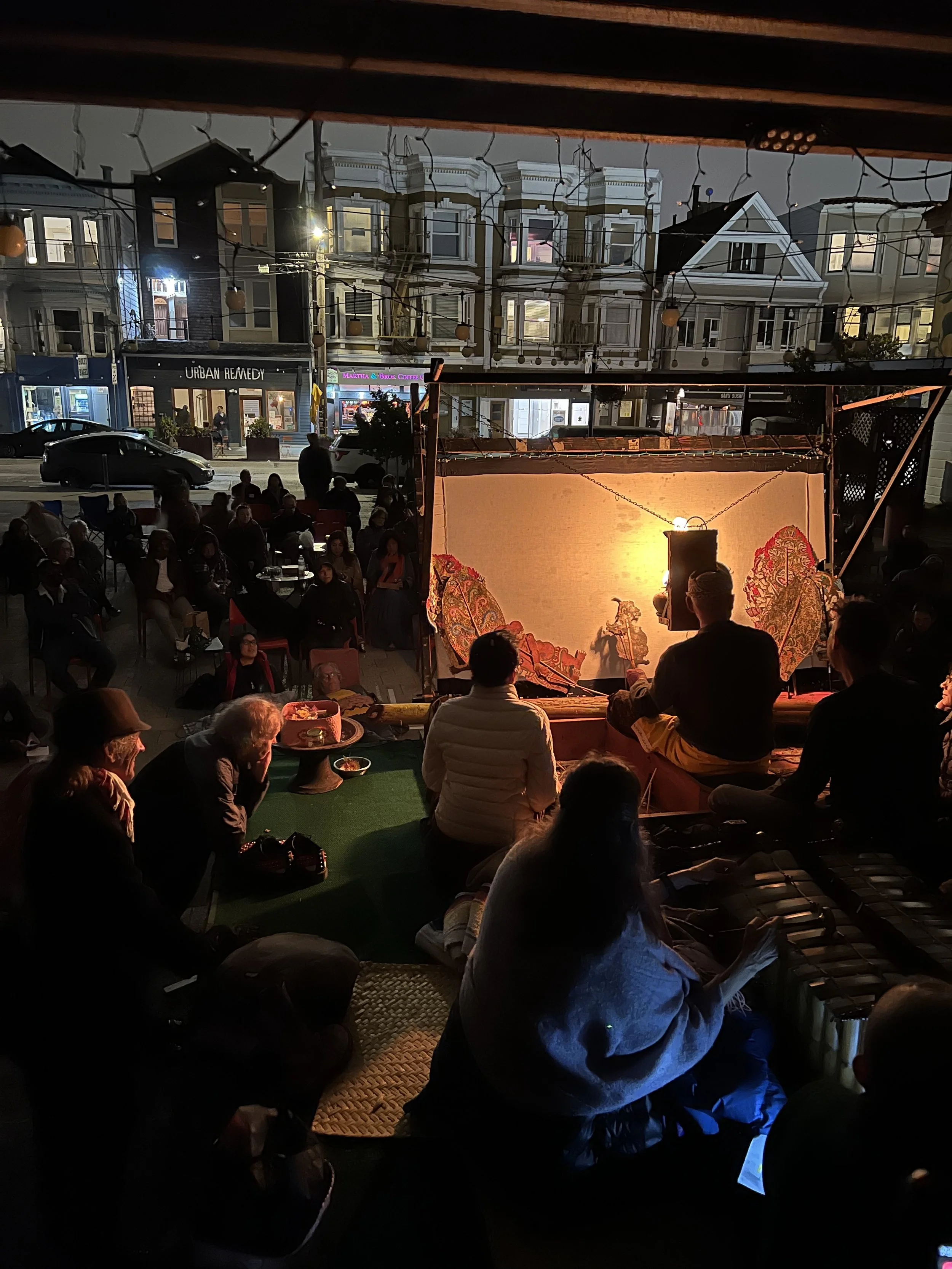
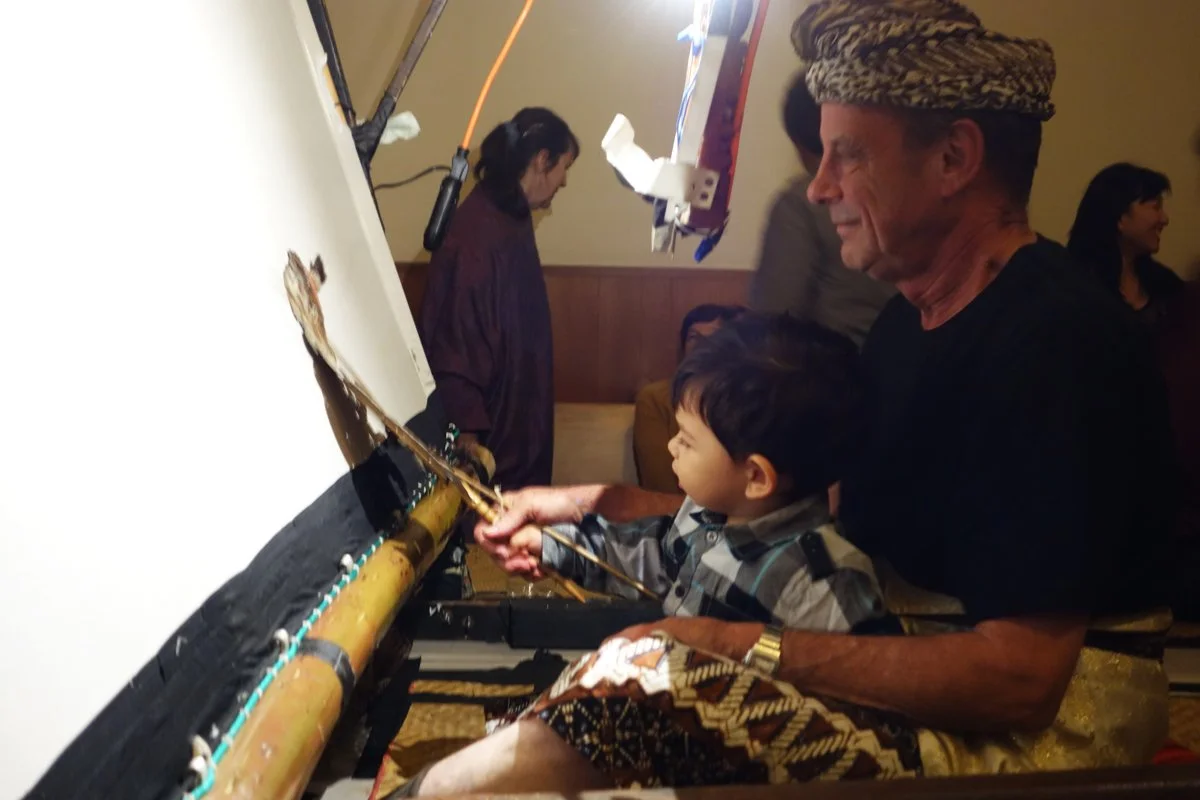
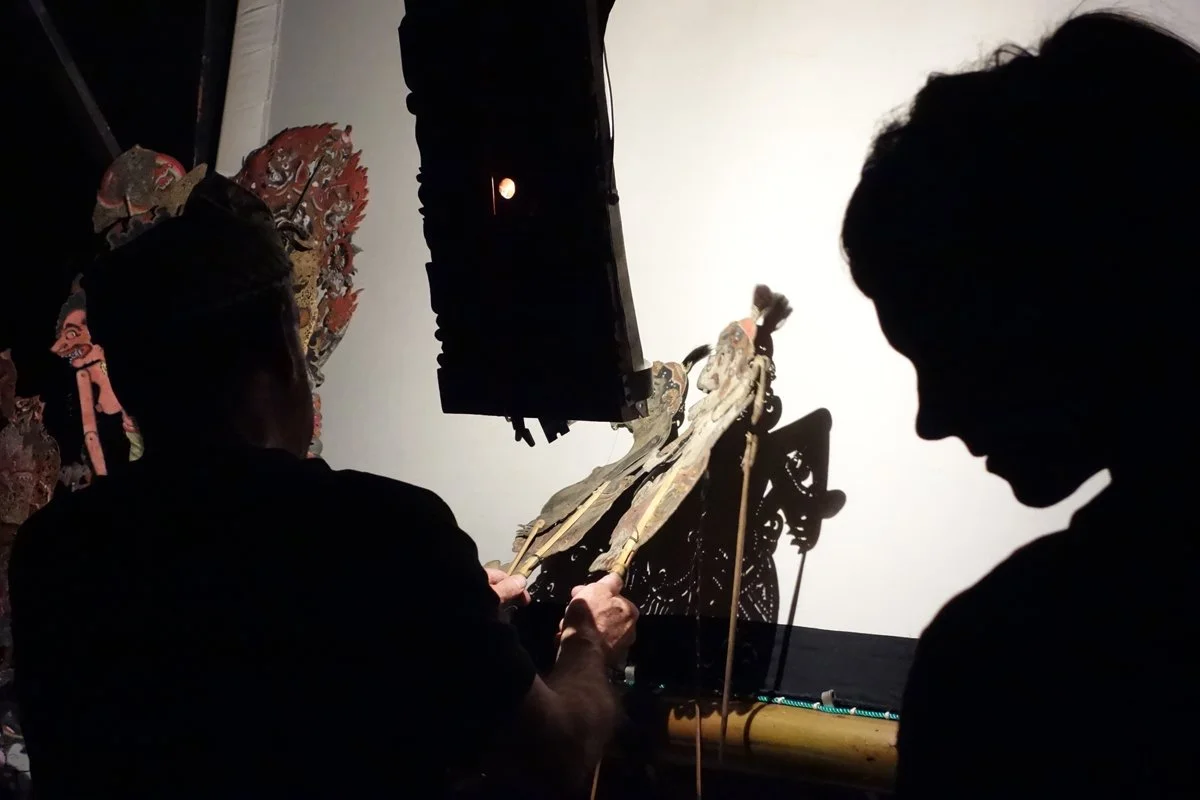
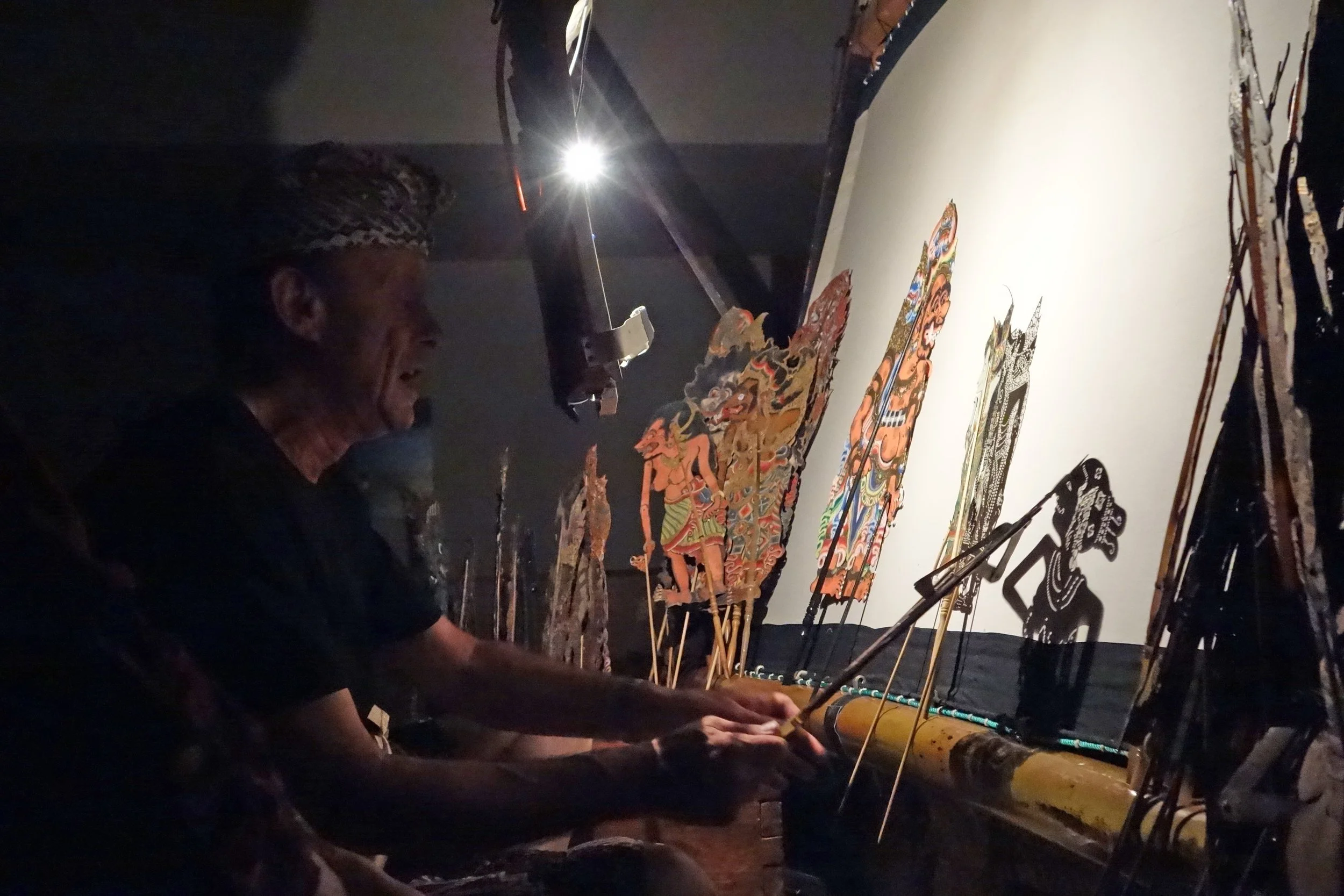
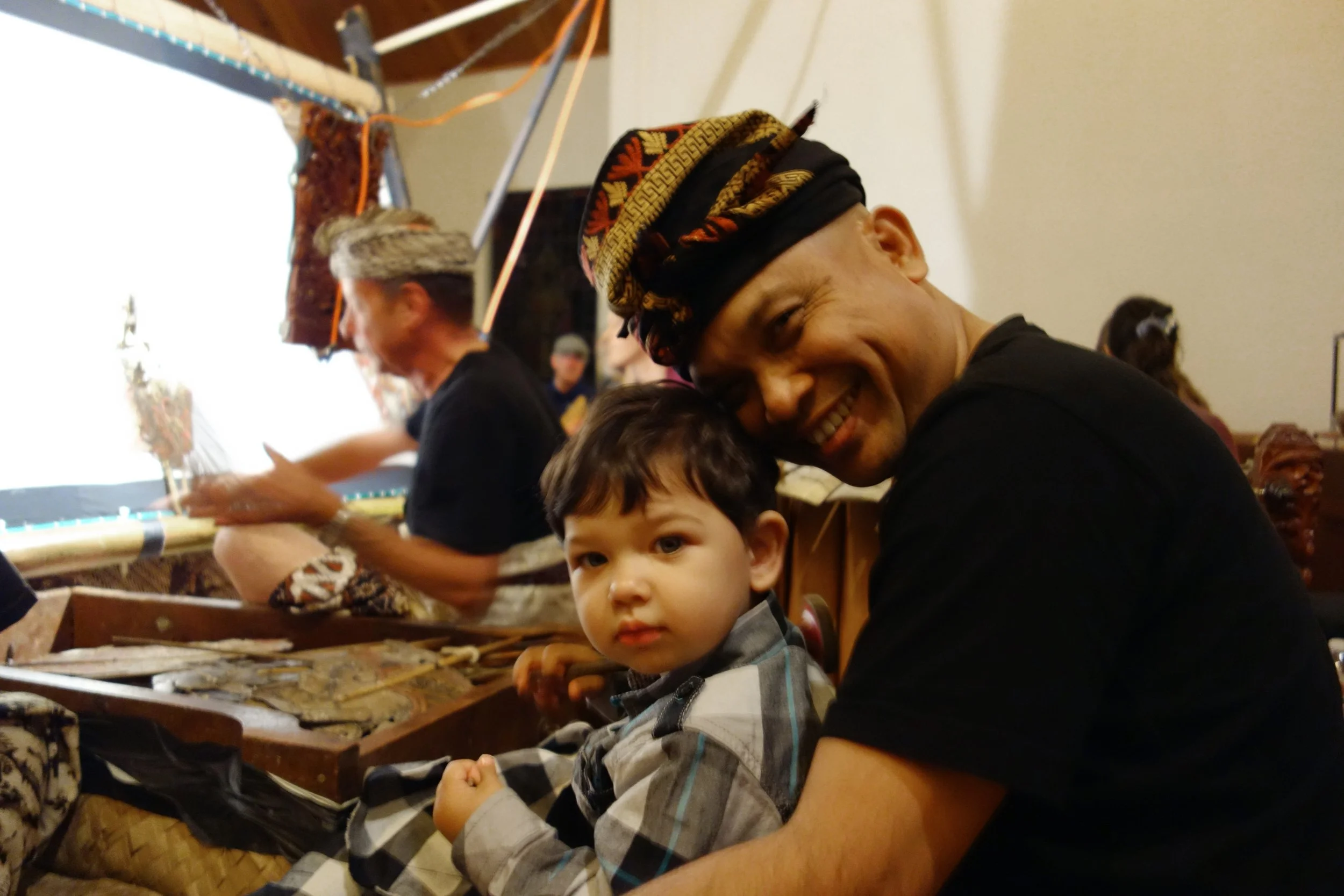
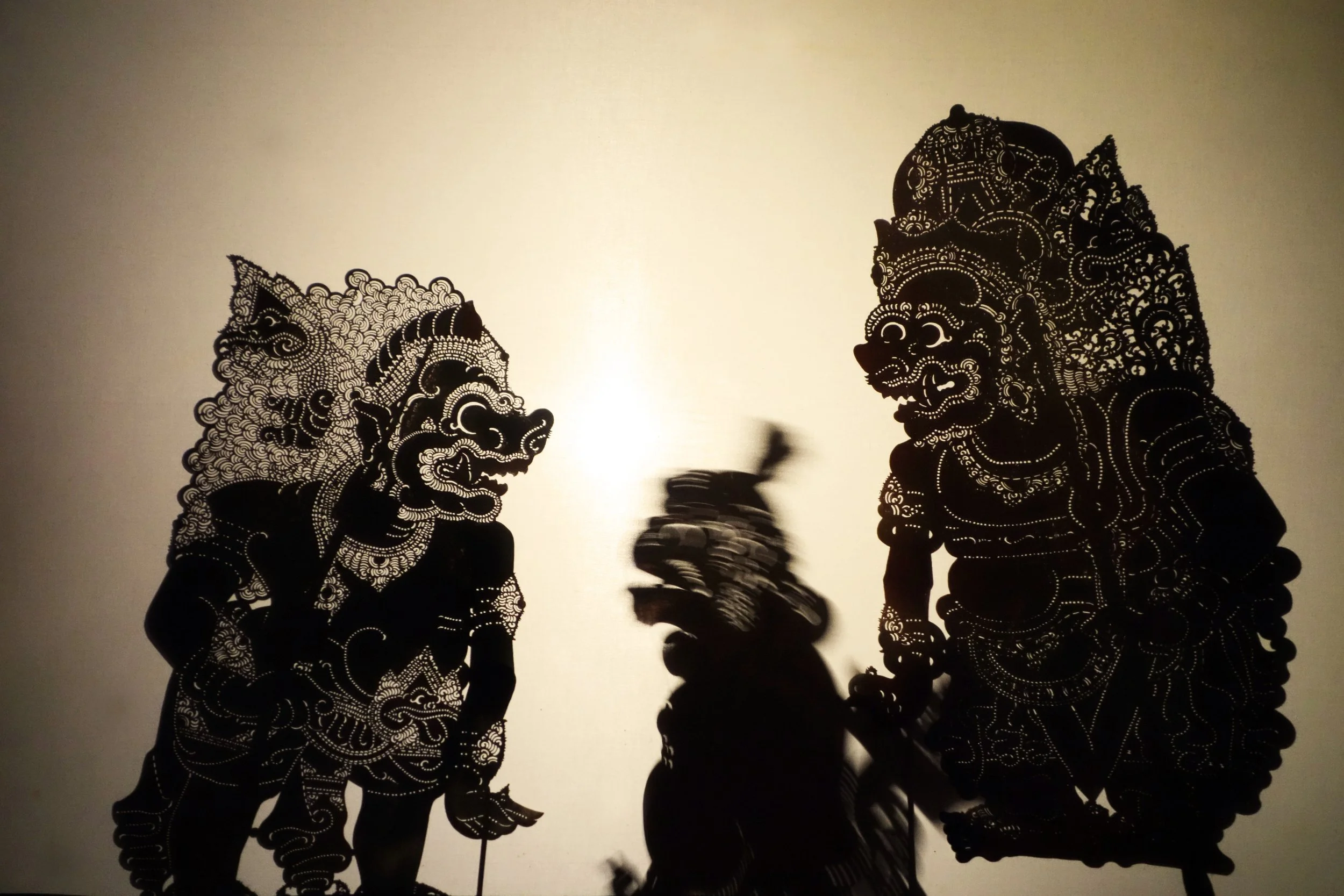
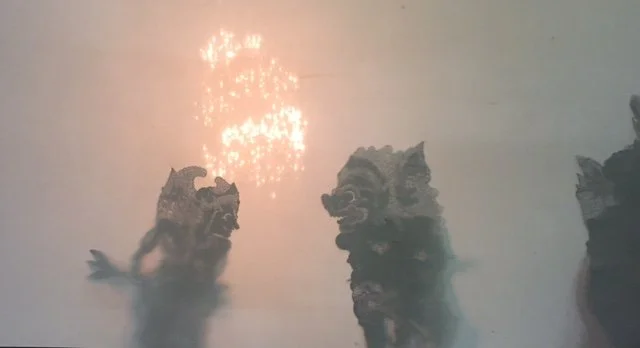
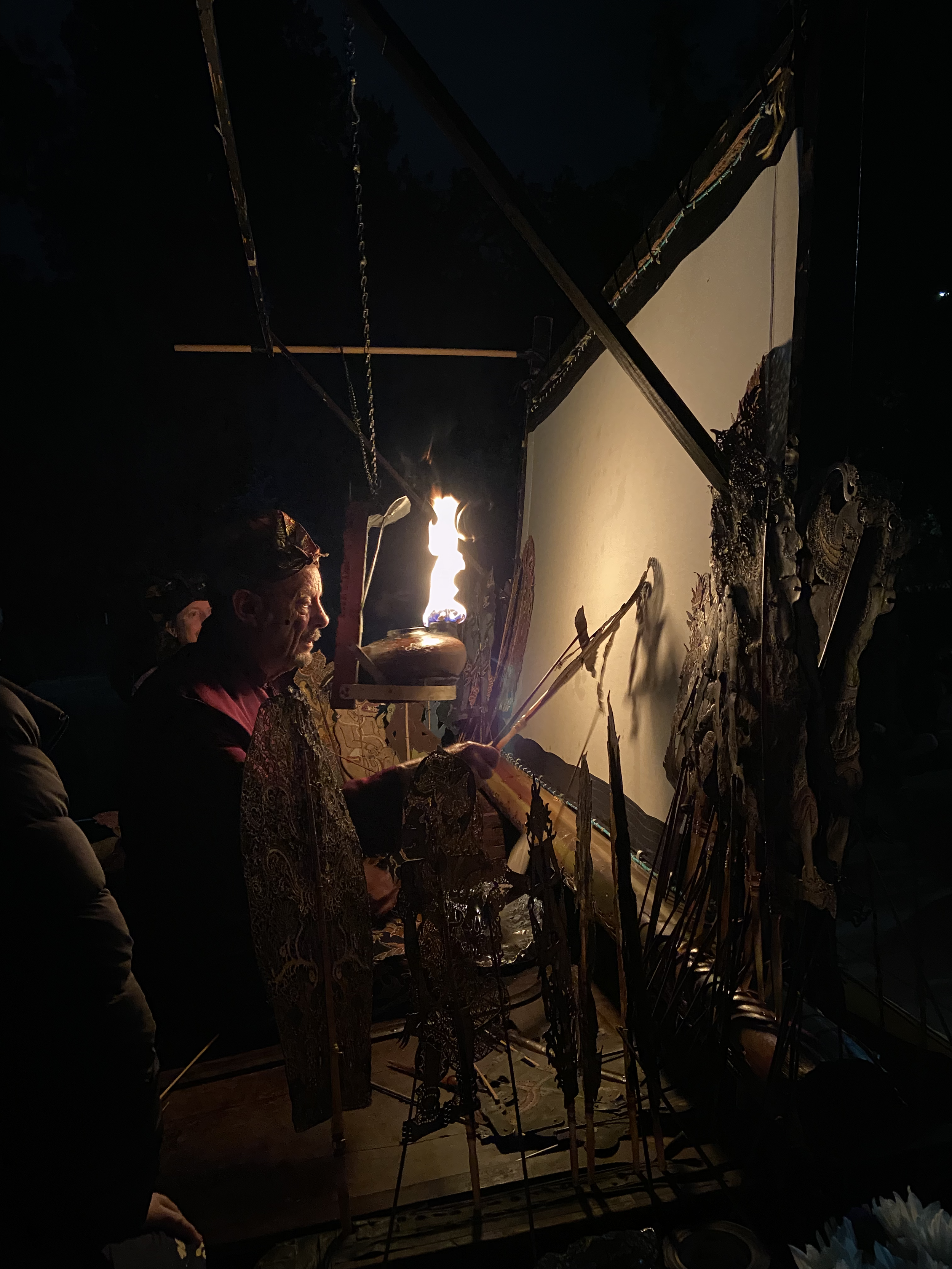
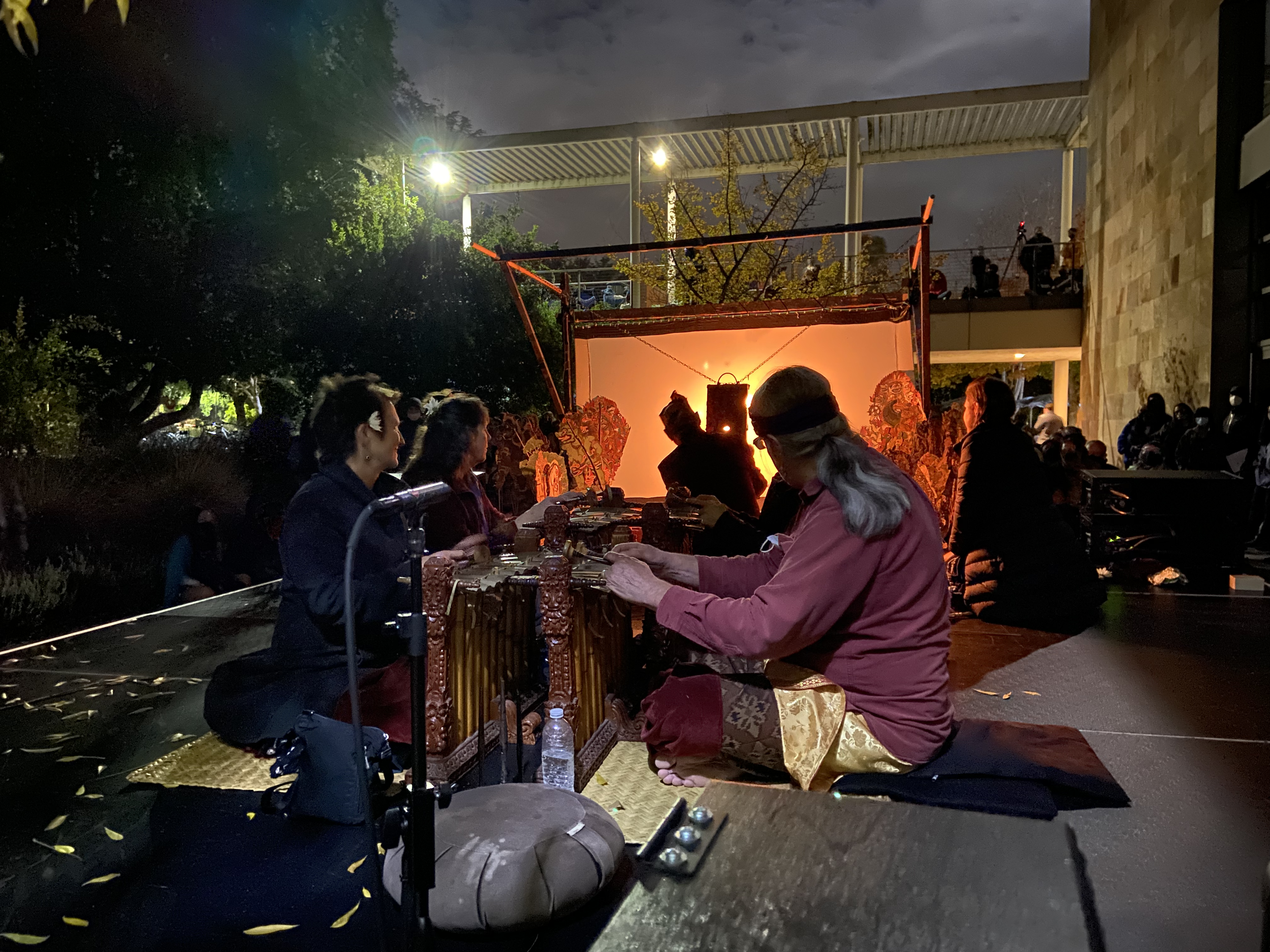
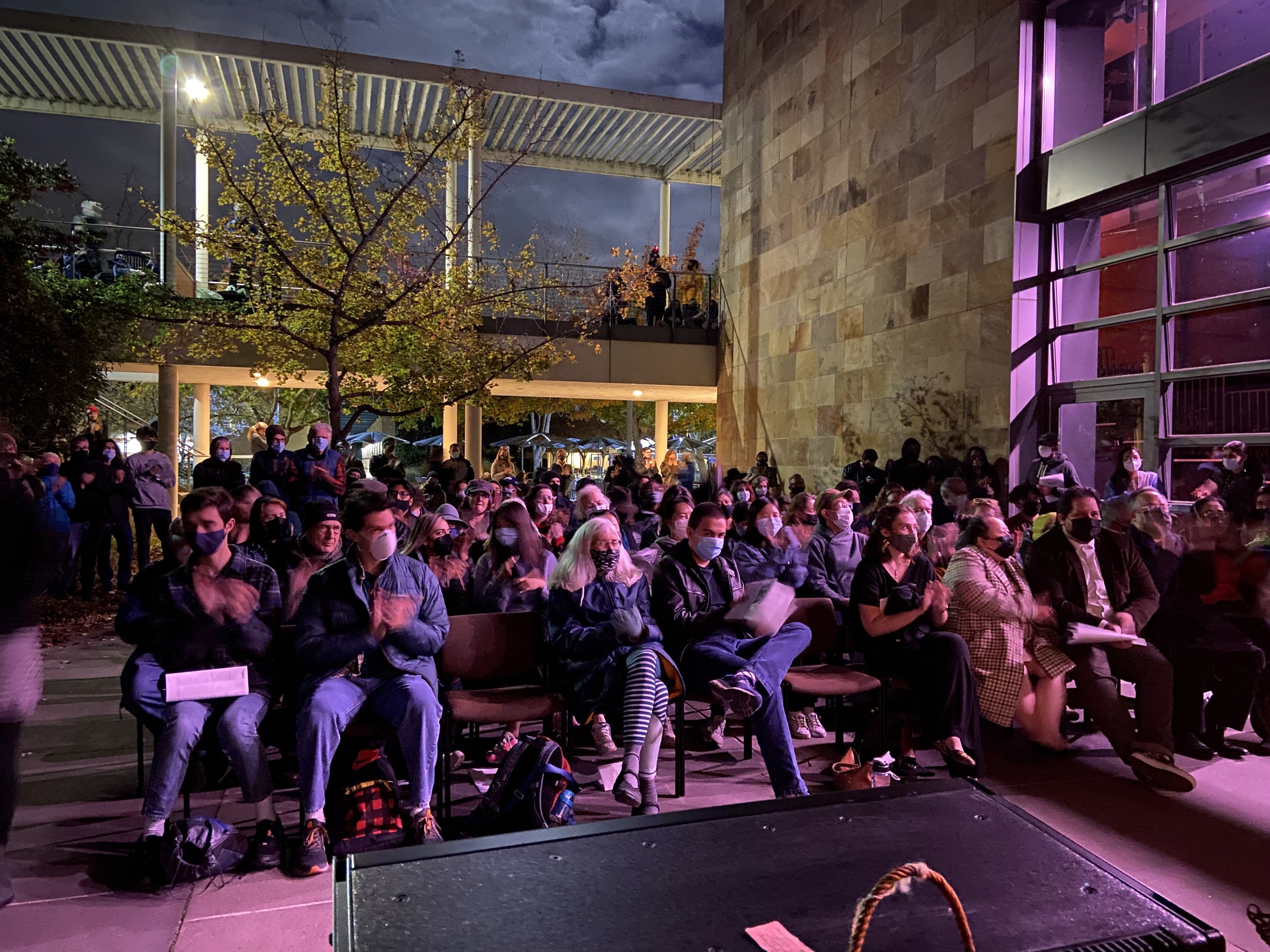
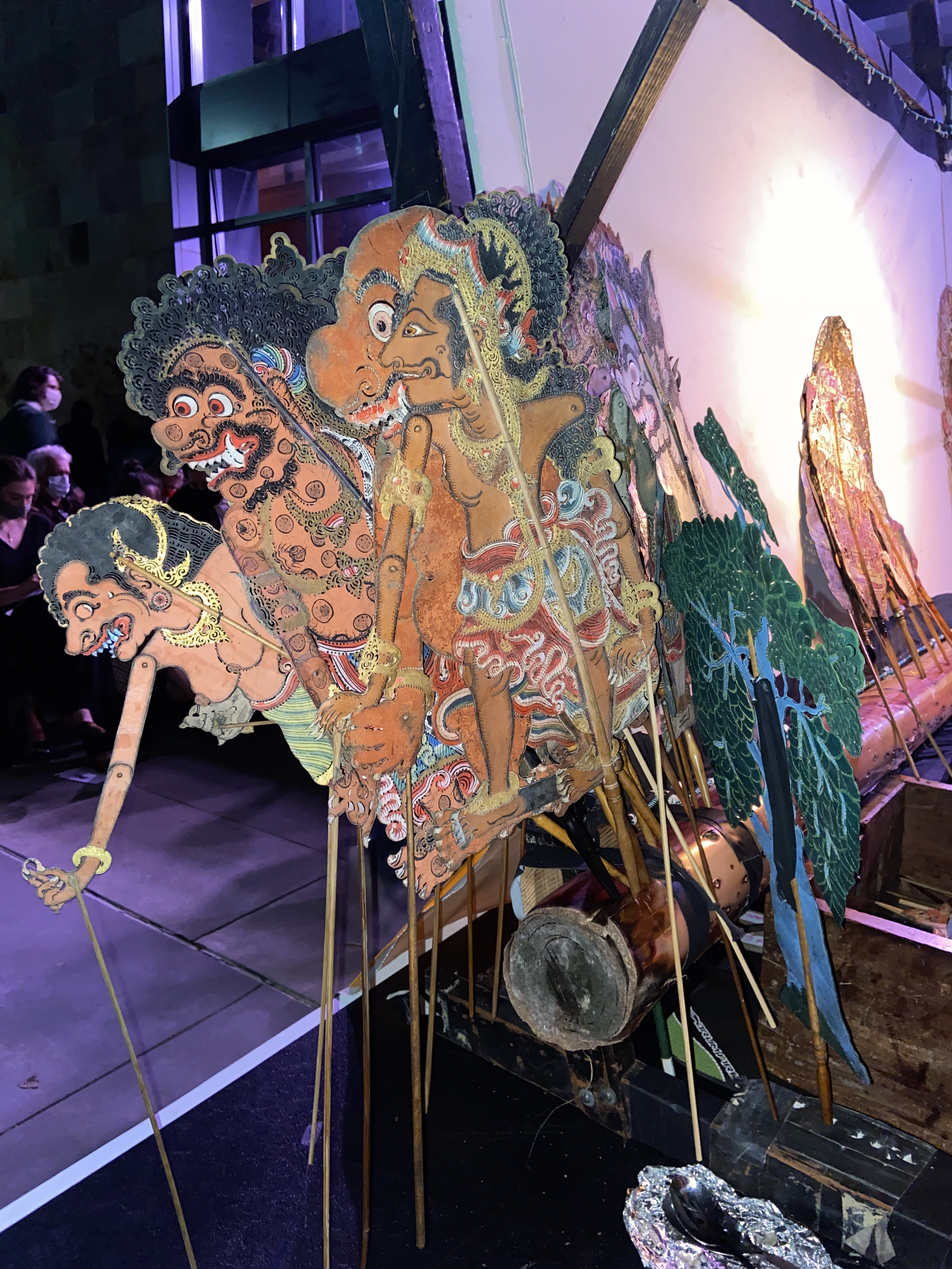
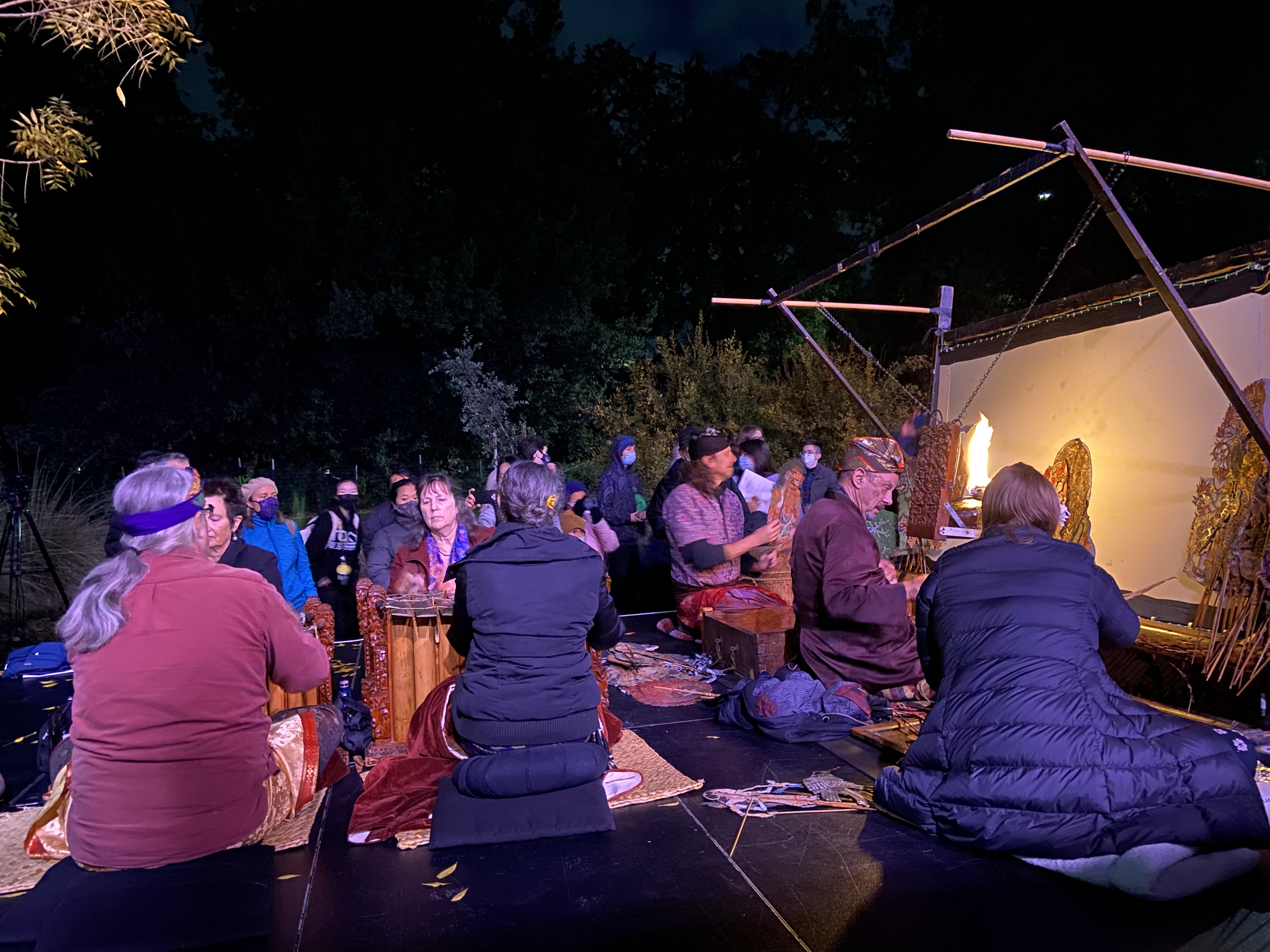
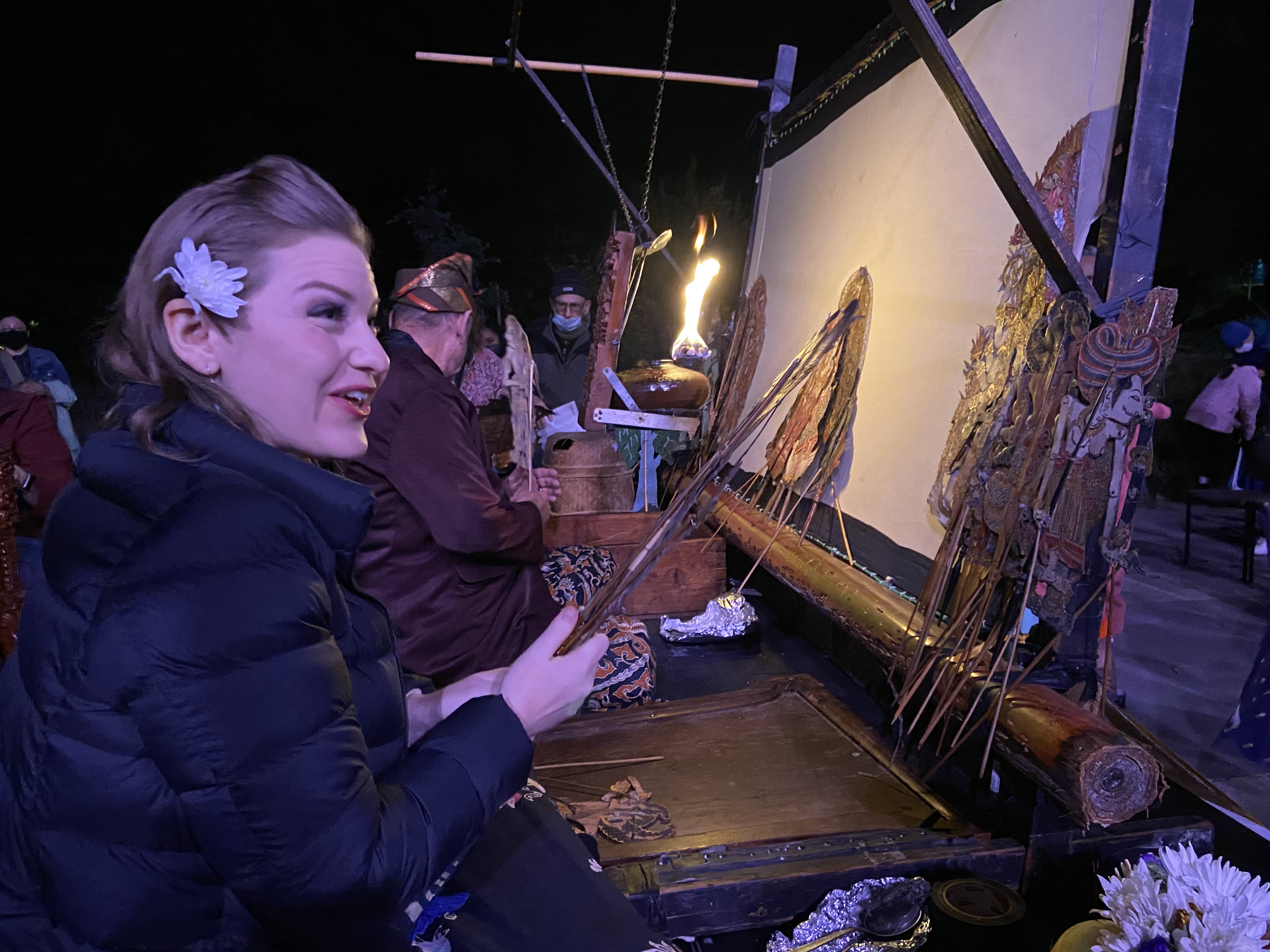
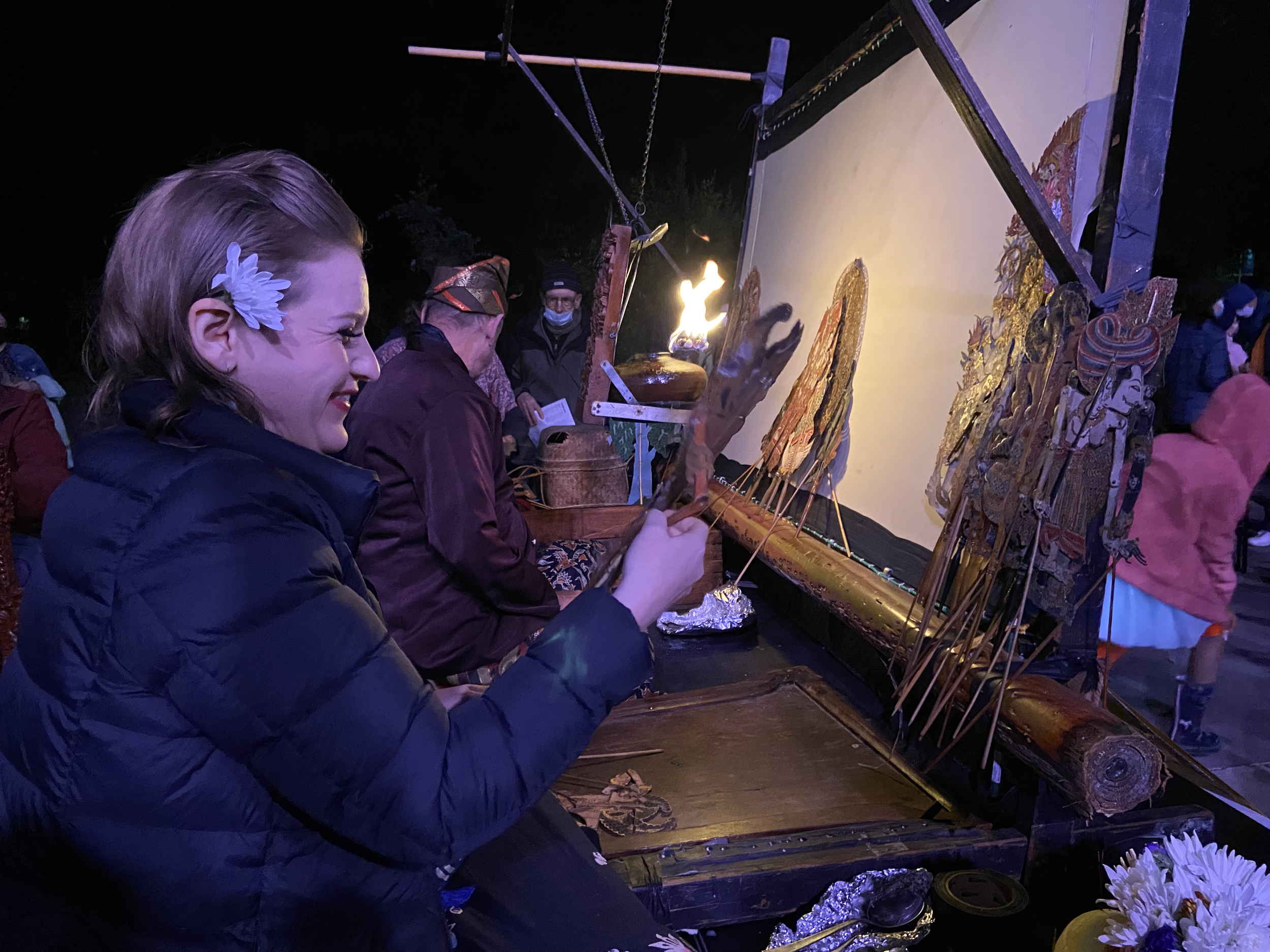
An excerpt of Larry Reed performing a traditional Balinese Wayang in English.
This Malaysian shadow play has been banned from public performance as are all non-Islamic traditional arts. The style is similar to shadow figures from Thailand, with Hindu, Buddhist and Javanese characteristics.
Experience Odalan Kahyangan with the people of Bona, a ceremony which honors the gods with offerings, wayang, gamelan, and dance.
Shadow Master is a dramatic documentary about a family of performers in Bali. Directed by Larry Reed, and filmed by John Knoop, it was completed in 1981, and has aired on PBS and the Discovery Channel.
On Wayang: My Life with Shadows follows one man's journey into Balinese Shadow Theatre.